


 /
/ 
 Print
Print
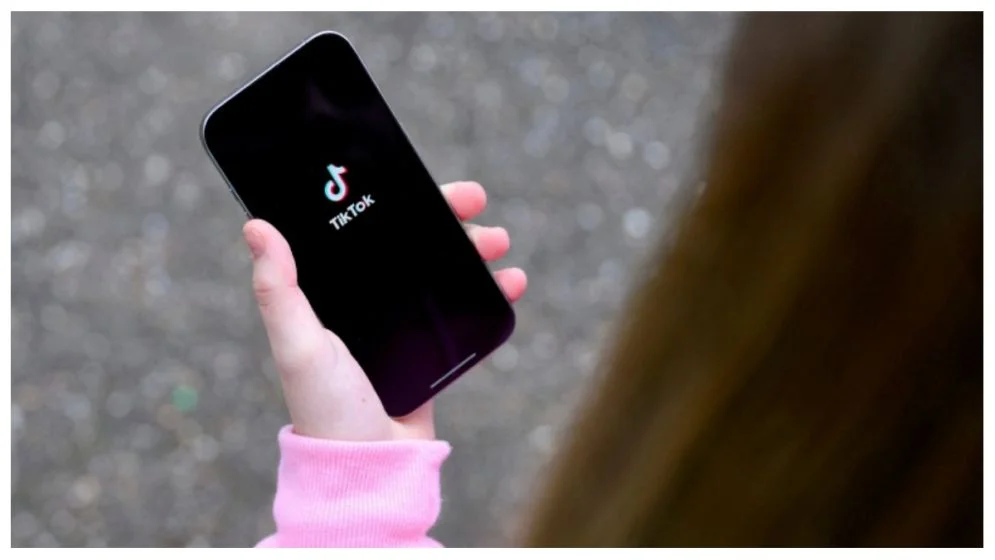
TikTok has agreed to pay $400 million to settle a lawsuit brought by the U.S. Department of Justice over allegations that the video-sharing platform violated federal children’s privacy laws.
The Justice Department announced the settlement Friday, saying TikTok will pay $300 million immediately and an additional $100 million after a court vacates a previous consent decree involving TikTok’s predecessor, Musical.ly.
The department described the agreement as one of the largest recoveries in a case involving the Children’s Online Privacy Protection Act (COPPA), which prohibits websites from collecting personal information from children under 13 without parental consent.
The Justice Department and Federal Trade Commission sued TikTok in 2024, alleging that the company collected and used children’s personal information without adequately informing or obtaining permission from their parents. The lawsuit also alleged that accounts created under TikTok’s “Kids Mode” collected information such as email addresses.
Chinese technology company ByteDance, TikTok’s parent company, is also included in the settlement.
The case dates back to 2019, when U.S. authorities filed a COPPA lawsuit against Musical.ly, which ByteDance acquired in 2017 before merging it with TikTok.
TikTok did not immediately comment on the settlement.
The agreement comes as governments around the world intensify scrutiny of TikTok’s practices involving children’s safety and privacy. The European Union has accused TikTok of failing to provide adequate protections for minors, while the UK communications regulator Ofcom launched an investigation in July into whether the platform is meeting its legal obligations to protect children from harmful content.
EU officials have also criticized TikTok’s default account settings, saying stronger privacy and safety protections for minors should be applied automatically rather than requiring users to opt in.




Like our facebook page
Subscribe our YouTube channel