


 /
/ 
 Print
Print
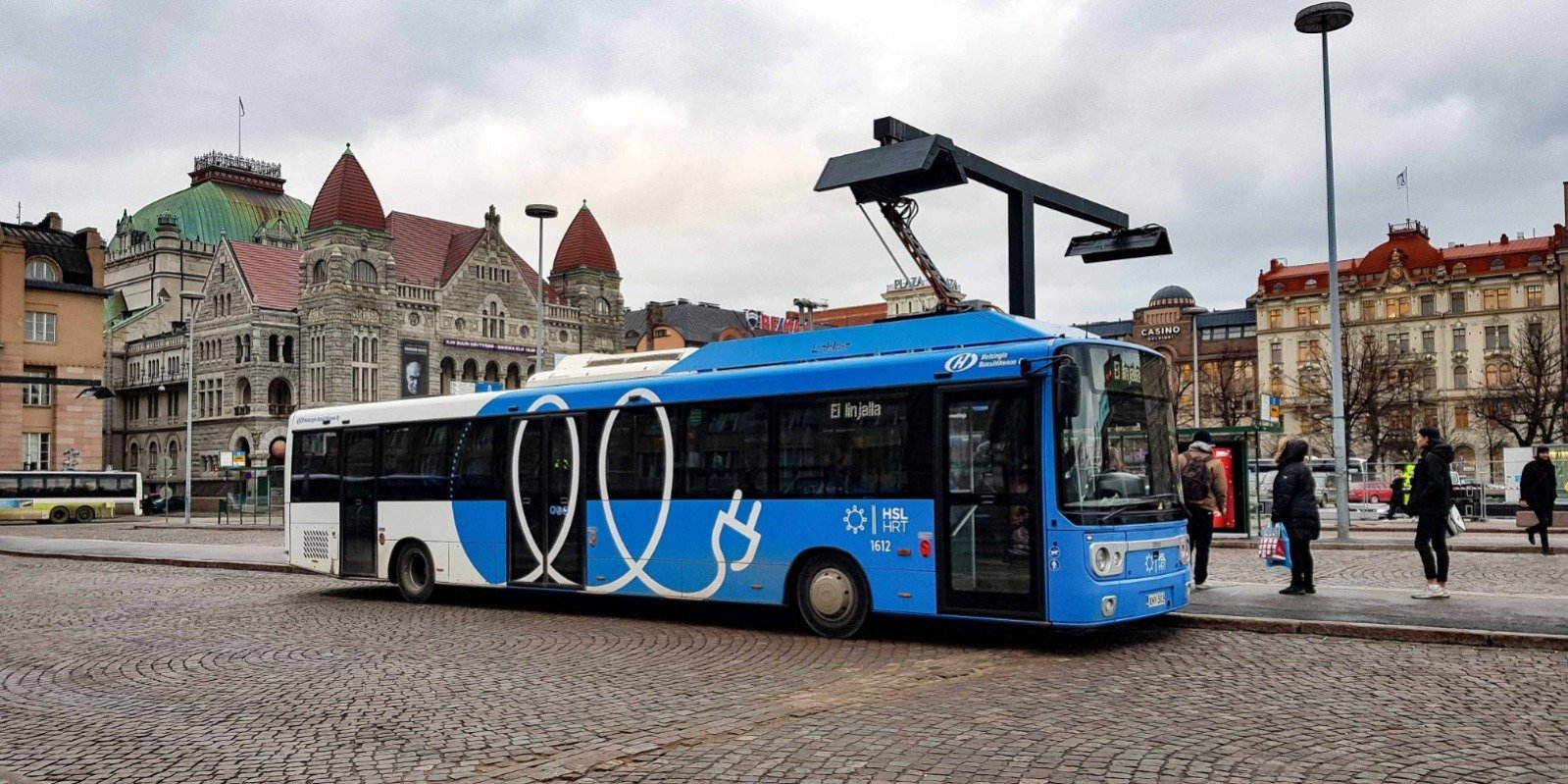
Bangladesh is planning to procure 1,412 electric buses for Dhaka and other cities as part of a push to introduce environmentally friendly public transport, with the first batch of 200 buses expected to start arriving from December if approvals are finalised, according to officials.
State-run Bangladesh Road Transport Corporation (BRTC) and the Dhaka Transport Coordination Authority (DTCA) have taken up several separate projects for the initiative. Approval and other processes, including clearance from the Planning Commission, are still underway.
Officials concerned said 200 buses would be supplied in the first phase. According to Road Transport and Highways Division sources, two separate proposals were sent to the Finance Division: Tk 400 crore for 100 electric buses with 45 seats, charging stations and related infrastructure, and Tk 400 crore for 100 electric minibuses with 28 to 32 seats for women, along with charging stations and necessary infrastructure. The Finance Division later agreed to provide the Tk 800 crore as a loan instead of a grant.
BRTC Chairman Abdul Latif Molla, an additional secretary, recently told Ajker Patrika that steps had been taken to procure a total of 200 electric buses. He said the Finance Division had allocated loan support for the project. Planning for bus operations is still underway, with an initial focus on the Dhaka metropolitan area. A committee is working to determine routes, charging station locations and other operational matters.
Under the Road Transport and Highways Division’s plan, 400 electric buses will be procured in the first phase of the Bangladesh Clean Air Project (BCAP) to curb air pollution. DTCA is currently revising the project’s Development Project Proposal.
As part of efforts to introduce women-friendly public transport, BRTC has also moved to procure 100 electric minibuses and has sought fund allocation from the Ministry of Finance for that project.
Separately, there are plans to install 25 charging stations and procure 300 electric air-conditioned buses with financing from the Economic Development Cooperation Fund (EDCF). Preliminary work on that project is underway at the Planning Commission.
Another initiative, backed by Chinese financing, involves 500 more electric air-conditioned buses and 25 charging stations. At a Planning Commission meeting on 11 June, officials asked for the project cost to be reviewed and a revised proposal submitted.
BRTC has also taken up a government-funded pilot project to procure 12 additional electric buses, install charging stations and build the required infrastructure.
Taken together, the various DTCA and BRTC projects account for plans to procure 1,412 electric buses. People involved with the initiative believe implementation would significantly increase the number of environmentally friendly public transport vehicles in the country and help reduce carbon emissions from urban transport.
Public transport experts, however, cautioned that introducing so many new electric buses without rationalising the existing public transport system could create disorder on the roads.
Asked when the electric buses would arrive, Road Transport and Highways Division Secretary Dr Muhammad Ziaul Haque said the buses would be brought in phases after approval. He said the plan was to bring the first batch of electric buses by December, with services to begin in Dhaka.
Alongside the government initiative, the private sector has also moved to introduce electric buses. Meetings have been held involving the Bangladesh Road Transport Owners Association, the Ministry of Finance, Bangladesh Bank, the National Board of Revenue and other stakeholders.
Saiful Islam, secretary general of the Bangladesh Road Transport Owners Association, said the government should involve the private sector through easy-term loans, policy support and incentives. He said that instead of operating buses only experimentally through BRTC, both the public and private sectors should be made equal partners from the outset, as private operators would also need to take long-term responsibility for passenger service, maintenance and sustainable system management.
The government is also planning to make at least 30 percent of road transport vehicles electric-powered to reduce air pollution from the transport sector. The initiative will include lower import duties on electric vehicles and other benefits for the sector.
Electric bus manufacturers from China, India, South Korea and Hong Kong, among other countries, have already submitted proposals and technical presentations to the Road Transport and Highways Division. Officials said testing and assessment are still ongoing to determine from which country or company the buses will be purchased.
Officials concerned said the likely cost of each electric bus could range from Tk 20 million to Tk 25 million, depending on battery capacity and other technical specifications.
Professor Shamsul Hoque of the Department of Civil Engineering at Bangladesh University of Engineering and Technology said the highest priority before launching electric buses should be transport discipline and bus route rationalisation. He said simply buying buses without addressing those issues would not deliver the desired benefits. He also said an effective environment must be created for private-sector investment, including charging infrastructure, maintenance systems, workshops and skilled manpower. Without sustainable management, he warned, there was a risk that these expensive buses could later become unusable.


Like our facebook page
Subscribe our YouTube channel