


 /

 Print
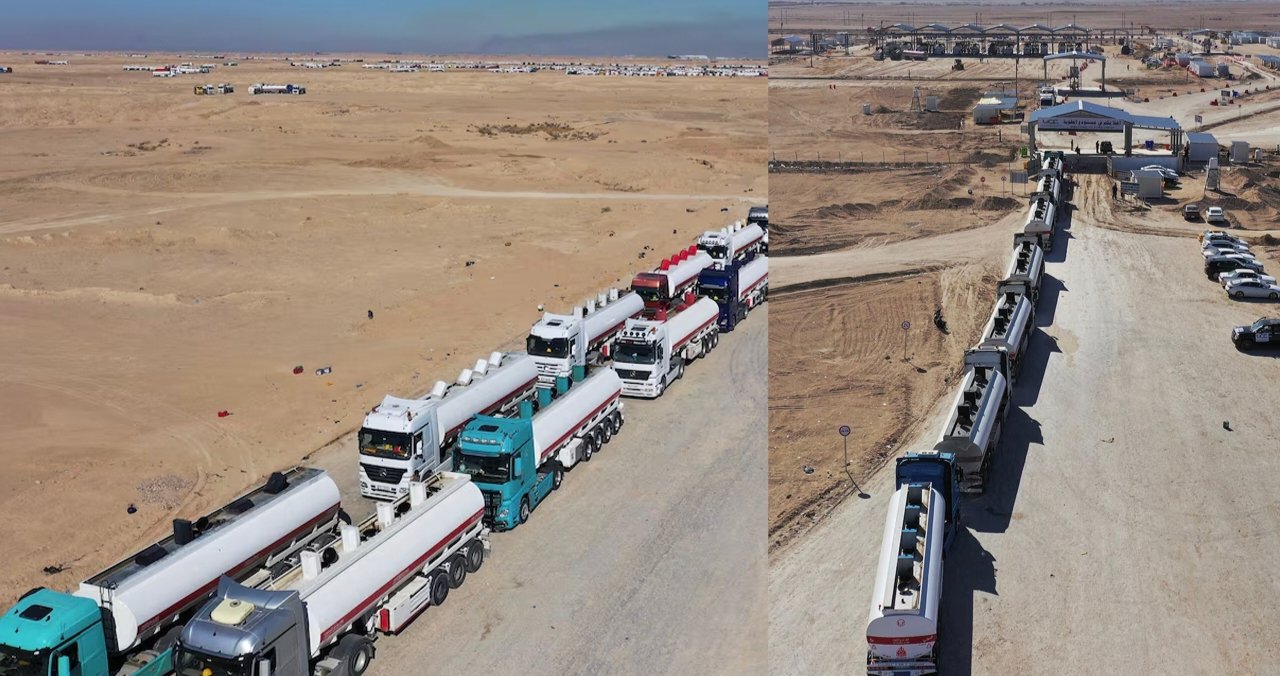
Iraq is using a land route through Syria as an alternative export corridor after oil shipments through the Strait of Hormuz were disrupted by the war involving Iran.
Hundreds of oil tankers are transporting crude oil from Basra in southern Iraq to the Mediterranean port of Baniyas in Syria. The route, which had remained largely unused for decades, has now reopened, offering Iraq an alternative way to export its oil.
According to a Reuters report, Iraq, OPEC’s second-largest oil producer, has been searching for alternative export routes since the disruption in the Strait of Hormuz. Although transportation costs are higher, the end of years of conflict in Syria has made the overland route an attractive option again, two people familiar with the matter said.
Most of Iraq’s crude oil is exported through terminals in the Gulf region. However, the Syrian route has emerged as a shorter but strategically important alternative, particularly for transporting heavy crude oil.
Basem Abdul Karim, director general of the state-owned Basra Oil Company (BOC), said that Qatar-based energy company UCC Holding began transporting Iraqi crude oil by truck to the port of Baniyas last month.
Under an agreement with Iraq’s state-owned oil marketing company SOMO, UCC is transporting between 120,000 and 150,000 barrels of oil per day. However, daily volumes vary depending on the availability of trucks.
The oil is transported by road from southern Iraq’s oil fields to Baniyas port, where it is loaded onto ships for export to international markets.
A person familiar with the agreement said UCC currently operates a fleet of 6,000 trucks and plans to increase the number to 10,000 to expand transportation capacity. Around 10,000 drivers are involved in the operation. Approximately 150,000 barrels of oil are unloaded each day.
Truck driver Ishaq Mohammed said, “We load crude oil at the Tuba storage facility in Basra and transport it to Baniyas in Syria. The entire journey, including the return trip to Tuba, takes up to five days.”
Luay Jawad, manager of the Tuba oil storage facility near Basra, said UCC had loaded around 1.6 million barrels of oil since the agreement came into effect on October 26.
According to a document seen by Reuters, UCC plans to load between 5 million and 14 million barrels of heavy crude oil over a three-month period beginning October 14. The company is expected to purchase the oil at a discount of $38 per barrel.
However, a person familiar with the agreement said transportation volumes are unlikely to exceed these targets in the near future due to limited truck availability and other logistical constraints.
According to sources familiar with the arrangement, crude oil is being shipped from Baniyas to refineries across the Mediterranean region, including facilities in Greece, Italy and Turkey.
Under the agreement, UCC will receive approximately $12 per barrel for transporting the oil through Syria and covering related expenses.
Meanwhile, according to secondary-source data cited in OPEC’s latest monthly report, Iraq’s daily oil production stood at approximately 4.5 million barrels in October, an increase of around 500,000 barrels from the previous month.
Source: Reuters




Like our facebook page
Subscribe our YouTube channel