


 /

 Print
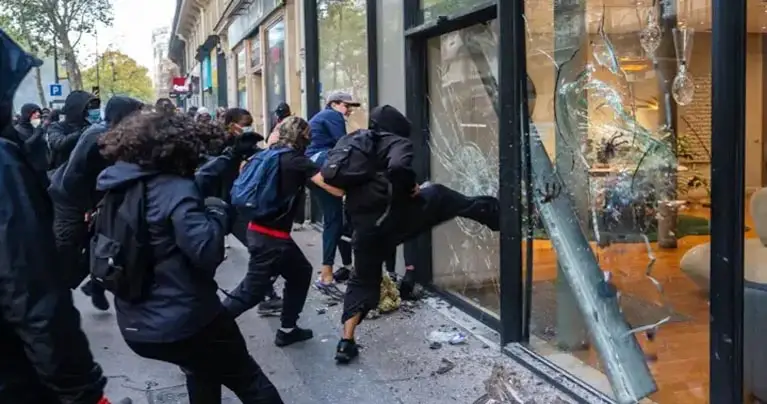
Young people and activists have taken to the streets across several European countries, including France, Spain, Portugal, Italy and Albania, protesting over rising living costs, housing shortages, education problems, unemployment and alleged corruption.
Although the demonstrations reflect different national concerns, they share a common demand for better living conditions and greater economic opportunities. Some protests have remained peaceful, while others have escalated into clashes and violence.
In France, student-led demonstrations began after the start of the academic year, with protesters highlighting teacher shortages, deteriorating classrooms, lengthy school hours and concerns over university admissions. The movement later expanded to include broader grievances over rising prices and fuel costs. The General Confederation of Labour (CGT), one of France’s major labor unions, has backed calls for lower living costs, higher wages and increased pensions.
In Spain, housing affordability has become a central issue. Demonstrators have demanded lower rents, protection against evictions and restrictions on investment funds purchasing residential properties. The protests intensified following the reported eviction of 87-year-old Maricarmen Abascal after a sharp increase in her rent. Political disagreements over housing reforms have added to the debate.
Portugal is also facing mounting pressure over housing costs. Government figures cited in the report show that house prices rose 124% between 2015 and 2024, nearly twice the European Union average. Hundreds of demonstrators gathered in central Lisbon to protest against increasingly unaffordable housing.
In Milan, Italy, a demonstration over the cost of living turned violent after initially proceeding peacefully. Protesters threw stones and other objects at riot police, while some set fire to makeshift barricades. Meanwhile, demonstrations in Albania against Prime Minister Edi Rama entered their sixth day, with protesters raising concerns about alleged corruption, limited employment opportunities and poor educational standards.
Some governments have announced measures in response. France has pledged to recruit 3,000 additional temporary teachers, involve students more in school decision-making and abandon a planned increase in certain university registration fees. However, the measures have not fully quelled public anger.
The protests highlight growing pressure on European governments to address housing affordability, education, employment and household expenses. Whether the demonstrations lead to lasting change will depend largely on the effectiveness of government responses and the willingness of political leaders to address protesters’ demands.





Like our facebook page
Subscribe our YouTube channel