


 /
/ 
 Print
Print
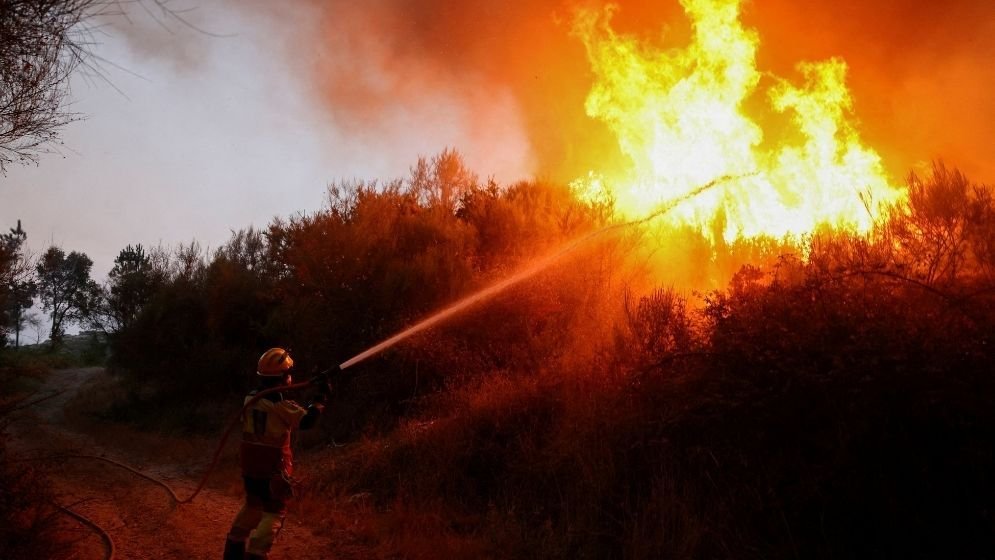
European climate scientists reported that 2025 was the world’s third-warmest year on record, continuing a pattern of unprecedented global heat in recent years. Data from the European Centre for Medium-Range Weather Forecasts (ECMWF) indicates that the past three years have been the hottest since modern records began, with 2025 only slightly cooler than 2023 by about 0.01°C. The UK Met Office also confirmed that its independent dataset places 2025 as the third-warmest year in records dating back to 1850, while global temperature figures from the World Meteorological Organization (WMO) were expected to be released separately.
ECMWF researchers also noted that the planet has now experienced its first three-year period averaging around 1.5°C above pre-industrial temperatures, marking the longest sustained span at that level in recorded history. Climate officials emphasized that 1.5°C is not a sudden tipping point, but warned that even small increases can significantly worsen the frequency and severity of extreme events. The 1.5°C benchmark is widely referenced in international climate policy because scientists expect stronger and potentially irreversible impacts as warming rises beyond that level.
Under the 2015 Paris Agreement, governments committed to limiting global warming and working to avoid breaching 1.5°C above pre-industrial averages over the long term. However, continued greenhouse gas emissions have increased the likelihood that this threshold could be surpassed within the next several years. ECMWF leaders stated that the key question for societies is no longer whether the world will reach this level, but how governments and communities will manage the consequences of continued warming.
Scientists estimate that long-term warming is currently around 1.4°C above pre-industrial levels, while short-term measures indicate the planet already exceeded 1.5°C during 2024, which was reported as the hottest year on record. Experts cautioned that even temporary overshoots can contribute to escalating risks such as longer and hotter heatwaves, more intense storms, heavier rainfall events, and worsening flood impacts.
The report also referenced severe climate-linked developments observed during 2025, including major wildfire activity across parts of Europe and scientific findings connecting climate change to increasingly damaging weather events in multiple regions. At the same time, researchers noted that climate science has faced rising political resistance in some countries, even as the broader scientific consensus continues to conclude that climate change is real, driven largely by human activity, and accelerating due to emissions from burning fossil fuels such as coal, oil, and gas.





Like our facebook page
Subscribe our YouTube channel