


 /
/ 
 Print
Print
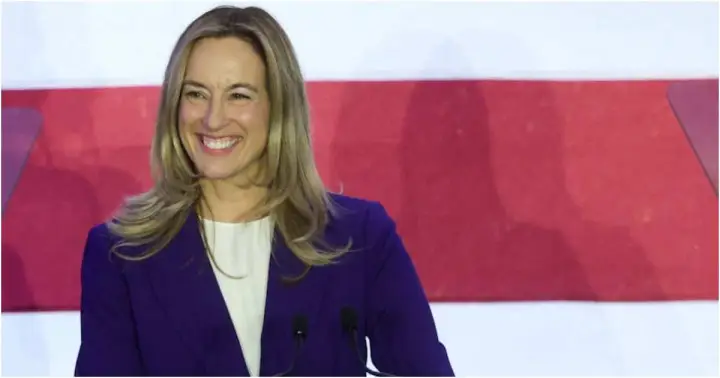
New Jersey Governor Mickey Sherrill has signed a set of three bills aimed at reshaping how immigration enforcement and law enforcement agencies operate within the state, sparking debate over federal authority and civil rights.
One of the key provisions requires officers from the U.S. Immigration and Customs Enforcement (ICE) and other police agencies to clearly identify themselves when interacting with the public while on duty. Under the new law, the use of face coverings or masks is largely prohibited during public-facing operations, except in limited cases such as undercover missions or when officers face credible threats to their safety.
The legislation was introduced amid growing concerns over recent incidents involving masked federal agents conducting operations, a practice that critics say reduces transparency and accountability. While local police in New Jersey typically do not follow such practices, the new rules extend restrictions to federal personnel operating within the state.
In addition to the identification requirements, another bill signed by Governor Sherrill prohibits government agencies and healthcare institutions from requesting sensitive personal information such as immigration status, citizenship, place of birth, or Social Security numbers in most circumstances.
A third measure formalizes the state Attorney General’s “Immigrant Trust Directive,” establishing legal guidelines on when and how local and state law enforcement agencies may cooperate with federal immigration enforcement authorities.
Governor Sherrill defended the measures, stating that they reinforce the rule of law and prioritize public safety. She emphasized that protecting communities and safeguarding residents’ personal information remain central goals of her administration.
However, Republican lawmakers have strongly opposed the legislation, arguing that it represents an overreach of state authority into federal jurisdiction. They claim the laws could create legal conflicts by attempting to regulate federal officers.
The new laws come amid ongoing national debates surrounding immigration enforcement policies under the Trump administration, adding further complexity to the broader political discourse on federal and state powers.




Like our facebook page
Subscribe our YouTube channel