


 /
/ 
 Print
Print
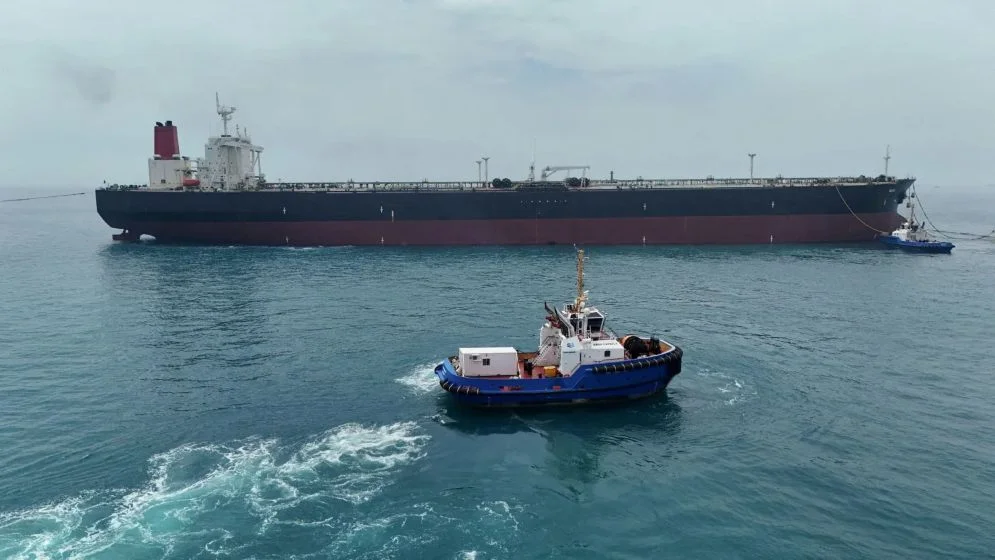
Crude oil prices have risen in international markets following a new wave of U.S. military strikes against Iran and the reimposition of a naval blockade on Iranian ports.
On Wednesday (July 15), oil prices for both major benchmarks moved higher despite fluctuations at the start of trading.
U.S. West Texas Intermediate (WTI) crude for August delivery increased by 0.45 percent to reach $79.70 per barrel. At the same time, international benchmark Brent crude for September delivery rose 0.68 percent to $85.31 per barrel.
The U.S. Central Command (CENTCOM) said that a seven-hour operation on Tuesday night targeted dozens of military sites in the Strait of Hormuz and along Iran’s coastal areas. The strikes involved fighter jets, drones, and naval vessels, targeting Iranian missile and drone facilities, naval installations, and coastal defense systems.
CENTCOM said the operation was carried out to reduce threats posed by Iran against commercial shipping. On the same day, the United States also reinstated a naval blockade against vessels traveling to and from Iranian ports.
In a subsequent statement, CENTCOM Commander General Brad Cooper accused Iran of deliberately targeting civilians over the past week and launching attacks on seven commercial vessels. He claimed that nearly a dozen sailors had been killed, injured, or reported missing in those incidents.
Energy market analysts said the recent escalation has dashed hopes of a quick return to normal operations in the Strait of Hormuz. Saul Kavonic, a senior energy analyst at MST Marquee, said renewed strikes and the naval blockade have pushed the conflict into another intense phase.
According to Kavonic, if the current level of conflict continues for several more weeks, global crude oil prices could rise again to $100 per barrel. He added that if Middle Eastern energy infrastructure becomes a direct target of attacks, oil prices could climb even higher.





Like our facebook page
Subscribe our YouTube channel