


 /
/ 
 Print
Print
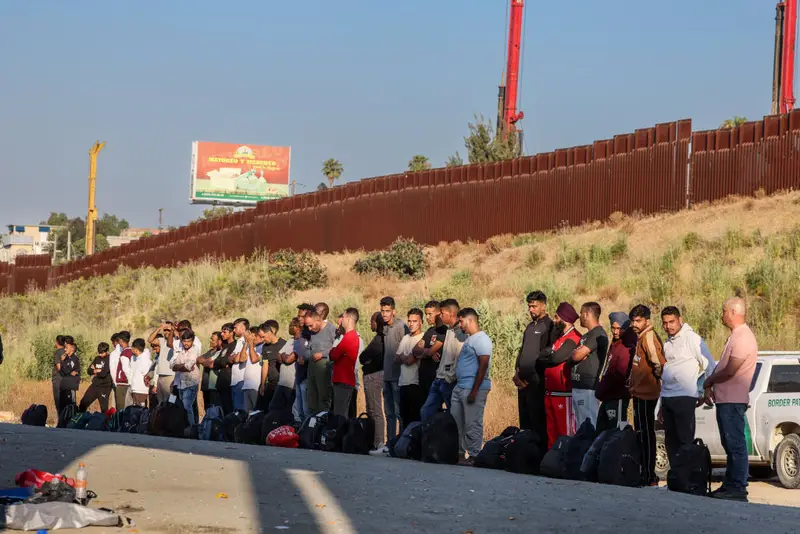
The administration of President Donald Trump secured a series of significant legal victories on Thursday as the U.S. Supreme Court cleared the way for stricter immigration measures, including a policy allowing authorities to block asylum seekers at the U.S.-Mexico border.
In a 6-3 decision, the Supreme Court ruled that federal border agents may prevent migrants from entering U.S. territory to seek asylum, reviving the administration’s controversial “turn-back” or “metering” policy. The ruling centers on the interpretation of when a migrant is considered to have “arrived in” the United States for purposes of asylum eligibility.
Writing for the majority, Justice Samuel Alito argued that a person cannot be said to have arrived in a place before physically entering it. However, Justice Sonia Sotomayor, in a strongly worded dissent, said the court’s interpretation ignored the broader context and purpose of federal asylum law.
Human rights organizations criticized the decision, warning that it could undermine both U.S. and international obligations to protect individuals fleeing persecution and violence.
In a separate 6-3 ruling, the Supreme Court also sided with the Trump administration in allowing the removal of Temporary Protected Status (TPS) for hundreds of thousands of Haitian and Syrian nationals living legally in the United States. The decision opens the door for potential deportations of migrants who had previously been shielded from removal due to instability and humanitarian crises in their home countries.
The rulings represent a major boost for Trump’s hardline immigration agenda as his administration continues to pursue stricter border enforcement measures.
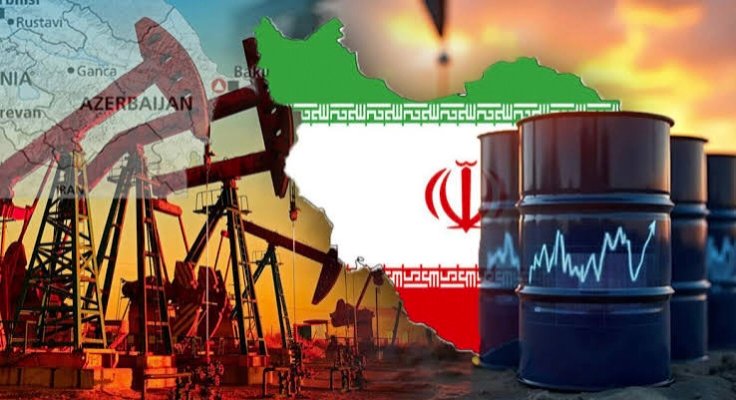
Beyond immigration, the White House submitted a request to Congress for $87.6 billion in additional funding, with a significant portion intended to cover costs associated with U.S. military operations against Iran. Democratic lawmakers have signaled opposition to the request, arguing that Congress never formally authorized the conflict.
The Supreme Court also struck down a restrictive Hawaii gun law that limited carrying firearms in certain public places and on private property without the owner’s consent. Gun-control advocates described the decision as a setback for efforts to regulate firearms.
Meanwhile, new evidence has raised questions about statements made by U.S. Health Secretary Robert F. Kennedy Jr. regarding his 2019 visit to Samoa. Reports suggest the trip was linked to vaccine-related activities despite Kennedy’s previous assertion that it had “nothing to do with vaccines.”
In Congress, Senate Republicans rejected a war powers resolution aimed at limiting Trump’s military actions against Iran, following intense lobbying by the president. The vote highlighted growing tensions over the administration’s foreign policy and the balance of war-making authority between Congress and the White House.
Other developments included California advancing a ballot measure that would impose a one-time 5% tax on billionaires, a Supreme Court ruling favoring Monsanto in litigation involving its Roundup weed killer, and renewed influenza vaccination requirements for all U.S. military recruits amid an outbreak at a Texas Air Force training base.
The developments marked another consequential day in U.S. politics, with immigration, national security, public health, and gun rights remaining at the center of national debate.


Like our facebook page
Subscribe our YouTube channel