


 /
/ 
 Print
Print
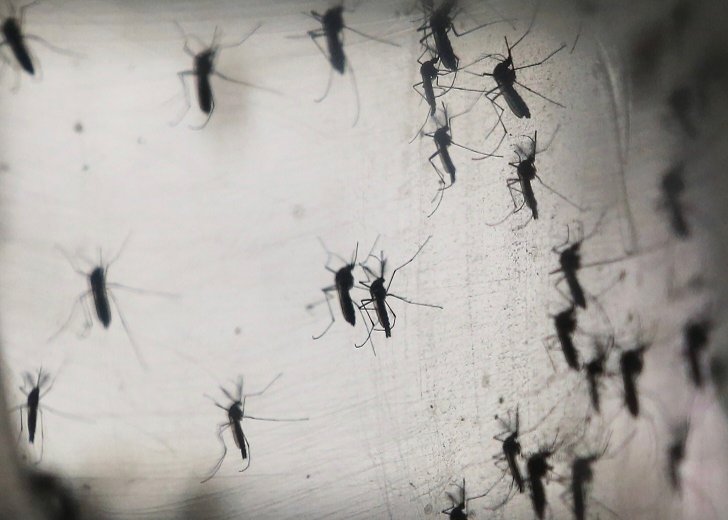
The United States is turning to an unusual scientific approach to control mosquitoes in Washington, D.C., with plans to release around 600,000 male Asian tiger mosquitoes over the course of the summer.
The male mosquitoes carry Wolbachia, a naturally occurring bacterium that can prevent their offspring from developing when they mate with females that do not carry the bacterium. Male mosquitoes do not bite humans.
The approach is designed to gradually reduce the mosquito population by preventing female mosquitoes from producing viable offspring, according to AFP.
The program was launched by Todd Montgomery, founder of Bee Safe Mosquito Control. The company plans to release around 600,000 male mosquitoes in residential areas across Washington by the end of summer.
Twenty-five customers have so far signed up for the program. Each customer receives about 1,500 male mosquitoes per week for 16 weeks.
Montgomery said climate change is contributing to more frequent warm and humid conditions in many parts of the United States, extending the period during which mosquitoes can breed and remain active.
He said this has increased the need to find alternatives to chemical pesticides for mosquito control.
The program primarily targets the Asian tiger mosquito, also known as Aedes albopictus. The species is not native to the United States but can transmit several diseases, including dengue.
Concerns over mosquito-borne diseases have increased following cases of locally acquired dengue reported in Northern Virginia.
Reducing the use of chemical pesticides is one of the main objectives of Montgomery’s program. Some customers have also expressed concerns about the potential effects of pesticides on their families and pets, leading them to consider alternative mosquito-control methods.
The use of Wolbachia to control mosquitoes is not new. Singapore has operated a large-scale program known as Project Wolbachia since 2016 and has reportedly released more than 10 million male mosquitoes each week.
Research has shown that Wolbachia-based mosquito-control programs can reduce populations of disease-carrying mosquitoes and lower the risk of dengue transmission.
The approach has gained growing attention in several countries as a potential alternative to conventional chemical-based mosquito control.





Like our facebook page
Subscribe our YouTube channel