


 /
/ 
 Print
Print
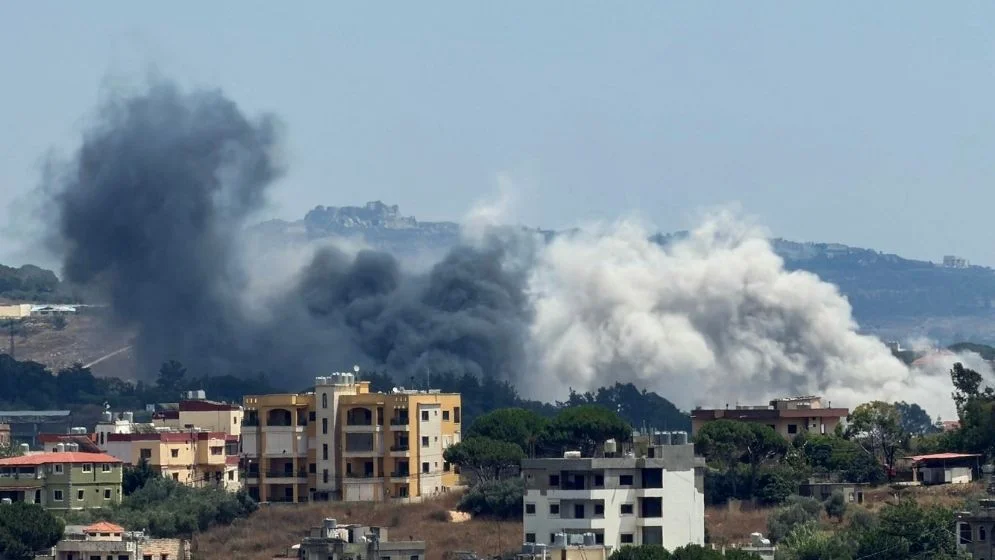
The United States and Iran exchanged large-scale military strikes on Friday, marking the most significant escalation since the two countries returned to full-scale conflict, according to AFP.
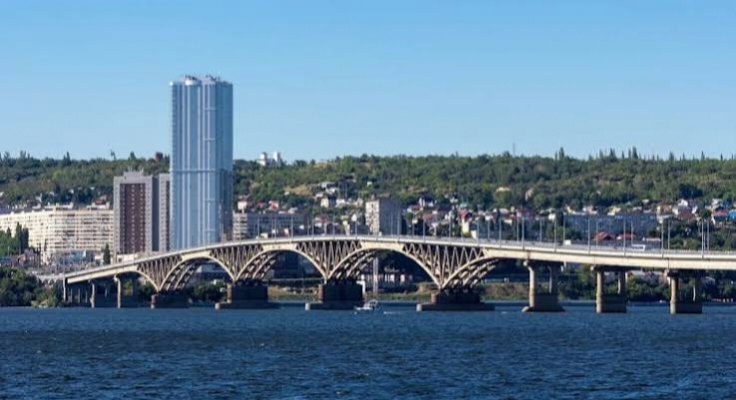
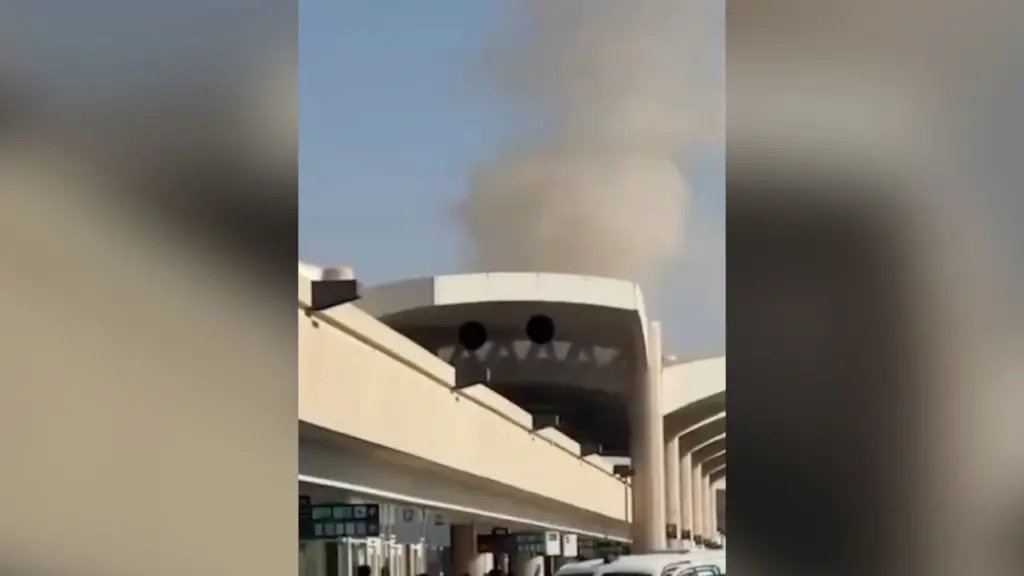
The renewed fighting comes just one month after both sides signed a memorandum of understanding intended to end the war that began in February. Iran accused the United States of launching overnight attacks on civilian and energy infrastructure, including an airport, a railway station, and two bridges. Iranian state media reported that at least eight people were killed and 20 others injured.
Although Washington has not officially commented, the strikes appeared to signal an expansion of U.S. operations targeting Iran’s infrastructure, an approach previously threatened by President Donald Trump.
Iran’s Energy Ministry urged citizens to reduce electricity consumption and avoid using air conditioners during peak hours after power facilities in the country’s south were reportedly damaged, placing additional strain on the national grid during extreme summer temperatures.
In response, Iran launched what appeared to be its largest coordinated military operation since the ceasefire agreement, targeting U.S. military assets across the Middle East.
Iran said it struck U.S. military facilities in Kuwait, where authorities confirmed that an electricity and water plant was damaged and appealed to residents to conserve power.
Iran’s Islamic Revolutionary Guard Corps (IRGC) also claimed responsibility for attacks on U.S. radar systems and military aircraft in Qatar. Qatari officials said their air defense systems intercepted incoming missiles before they reached their targets.
The IRGC further announced attacks on two U.S. radar installations in Oman and the Al-Tanf military base in Syria. However, a Syrian military source denied that Al-Tanf was struck, noting that U.S. forces had withdrawn from the base earlier this year.
Jordan’s military said it intercepted three Iranian missiles, while the U.S.-led coalition in Iraq reportedly shot down several drones over Erbil. In Iraq’s Kurdistan region, strikes killed eight members of an Iranian Kurdish opposition group, which blamed Iran for the attack. Kurdish regional authorities condemned the strikes as a serious violation of Iraq’s sovereignty.
Iranian state media also reported attacks on U.S. helicopters and aircraft stationed at an airbase in Bahrain, prompting Bahraini authorities to advise residents to seek shelter.
The latest escalation has been driven largely by renewed fighting over the Strait of Hormuz, a vital global oil and gas shipping route. Tehran and Washington have now exchanged attacks for six consecutive days.
Iran’s Health Ministry said at least 38 people have been killed and more than 400 injured since the latest round of fighting began.
Meanwhile, diplomatic efforts to restore negotiations continue. The foreign ministers of China and Pakistan called on both countries to halt hostilities and return to the negotiating table during a meeting in Shanghai.
The United States has also reimposed its blockade of Iranian ports as part of broader pressure on Tehran.
A senior Iranian military spokesman insisted that Iran would “never back down” over the Strait of Hormuz and demanded the withdrawal of U.S. forces from the region.
Shipping in the Gulf remains under threat. The UK Maritime Trade Operations agency reported that a commercial tanker was struck by a projectile off the coast of Oman overnight.
Analysts say Washington’s latest military campaign appears aimed at weakening Iran’s control over the Strait of Hormuz while increasing economic pressure in an effort to force Tehran into accepting a new agreement.
Iran’s chief negotiator, Mohammad Bagher Ghalibaf, said any future agreement would only be meaningful if all parties fully honored and implemented its terms.


Like our facebook page
Subscribe our YouTube channel