


 /
/ 
 Print
Print
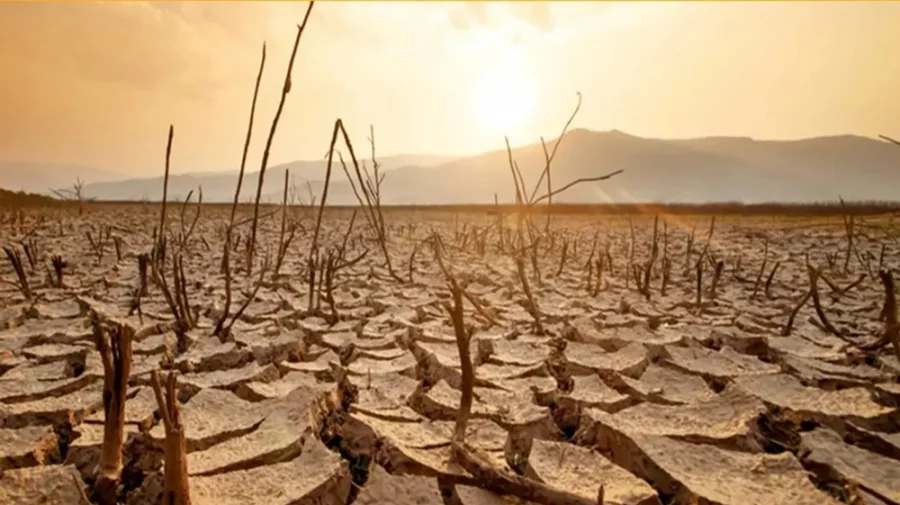
The year 2027 could become the hottest year on record as a potentially exceptionally strong El Niño develops in the Pacific Ocean, according to Britain’s Met Office.
Scientists warn that the current El Niño could become one of the strongest ever observed, with sea surface temperatures in parts of the Pacific potentially rising 3 to 4 degrees Celsius above normal. Some researchers say it could ultimately rank among the most intense El Niño events of the past 500 to 1,000 years.
The Met Office said the combination of El Niño and human-driven global warming makes it highly likely that 2027 could surpass the current global temperature record set in 2024.
Professor Adam Scaife, head of long-range forecasting at the Met Office, described the forecast as unprecedented and said he had never seen such a strong El Niño signal in the agency’s forecasts.
El Niño is a natural climate pattern that typically occurs every two to seven years. It develops when trade winds over the Pacific weaken, allowing unusually warm water to move eastward. The resulting release of heat into the atmosphere can raise global temperatures and alter rainfall patterns around the world.
Current measurements show that sea surface temperatures in a key Pacific region are already more than 2 degrees Celsius above average. The Met Office expects the warming to potentially exceed 3 degrees Celsius when the phenomenon reaches its peak later this year.
The impacts could be significant across the globe. South Asia could experience weaker monsoon rainfall, while parts of South America and Australia could face increased risks of drought and wildfires. Peru, Ecuador and the southern United States could see greater flood risks.
Previous strong El Niño events have disrupted agricultural production, affecting crops such as coffee, rice and cocoa. Such disruptions can also contribute to food price increases and economic losses.
The UN Food and Agriculture Organization has warned that the developing El Niño could push tens of millions of people in vulnerable countries into severe food insecurity.
Scientists say there is still no clear evidence that climate change is making El Niño events more frequent or stronger. However, the phenomenon is now occurring in a significantly warmer world, meaning its weather impacts could become more extreme.
Met Office climate scientist Dr Nick Dunstone said the greatest global temperature impact of El Niño is often seen in the calendar year following its winter peak. That makes 2027 a strong candidate for setting a new global temperature record.





Like our facebook page
Subscribe our YouTube channel