


 /
/ 
 Print
Print
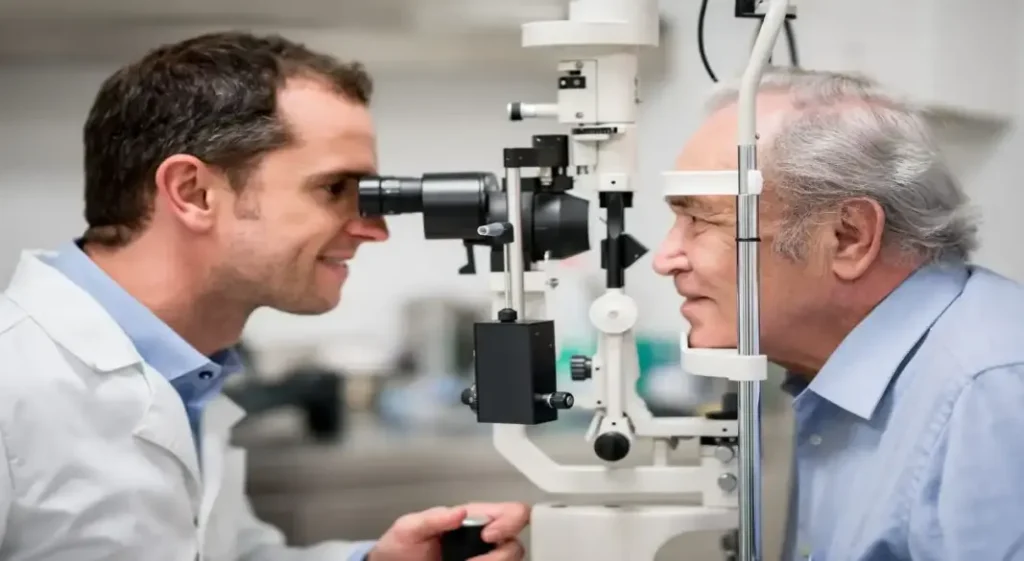
For many families in the United States, the cost of eye exams, prescription glasses and eye surgery can be a major financial burden. The challenge is particularly difficult for people who do not have health insurance or whose insurance does not cover necessary vision care. As a result, some patients delay or avoid treatment.
However, several programs across the United States offer free or low-cost eye exams, glasses and, in certain cases, eye surgery to eligible individuals. The National Eye Institute says access to these programs generally depends on factors such as income, age, insurance coverage, medical needs and the availability of services in a person’s local area.
There is no single nationwide program that provides every eye surgery for free to everyone. Eligibility and the type of assistance available vary from one program to another.
Lions Clubs offer local assistance
Lions Clubs International has long supported programs aimed at protecting vision and preventing blindness. Some local Lions Clubs in the United States provide financial assistance to people who cannot afford eye care. In some communities, they may also help eligible individuals obtain eyeglasses.
However, services vary among local clubs. People seeking assistance should contact their local Lions Club to find out what programs are available and whether they meet the eligibility requirements.
EyeCare America
EyeCare America, a program of the American Academy of Ophthalmology, provides eligible individuals with access to comprehensive eye examinations and, when appropriate, follow-up care.
According to current information from the National Eye Institute, certain adults aged 18 and older may qualify based on age, eye disease risk and other requirements.
Vision Service Plan Eyes of Hope
VSP Eyes of Hope provides assistance to eligible low-income children and adults who do not have insurance coverage for eye exams or prescription eyewear.
Qualified participants may receive a comprehensive eye exam and, when needed, prescription glasses at no cost. Because program availability and eligibility can change, applicants should check the latest information before seeking assistance.
Free cataract surgery may also be available
For people who cannot afford cataract surgery, specialized programs may provide access to free treatment.
Mission Cataract USA offers free cataract surgery to eligible patients whose cataracts interfere with daily life and who do not have Medicare, Medicaid or other insurance that can cover the procedure. Patients must also be unable to afford the surgery themselves.
Operation Sight is another program that connects financially eligible patients with free cataract surgery. Eligibility may depend on income, medical necessity and insurance status, among other requirements.
Community health centers may offer lower-cost care
People who need eye care can also check nearby community health centers to determine whether vision services are available. Some centers provide free or reduced-cost medical services based on a patient’s income.
Universities and colleges with optometry or ophthalmology programs may also offer lower-cost eye examinations and treatment. In many cases, services are provided by students under the supervision of experienced doctors and faculty members.
Children may have additional options
Medicaid and the Children’s Health Insurance Program, or CHIP, can help eligible children receive eye exams and necessary vision care. Eligibility requirements vary by state.
There are also specialized programs that provide vision screening and eye evaluations for young children. Families should check with their state or local health authorities to determine which programs are available.
Medicare does not cover all routine eye care
Having Medicare does not mean that all eye exams, glasses or eye treatments are free.
Original Medicare generally does not cover routine eye exams or most eyeglasses. However, certain eye-related services may be covered when they are associated with specific medical conditions, including diabetes, age-related macular degeneration, glaucoma risk and cataracts.
Where should patients start?
People who need an eye exam or prescription glasses can begin by contacting a local community health center, Lions Club or low-cost eye clinic.
Patients who need cataract surgery but cannot afford it can check their eligibility for programs such as Mission Cataract USA or Operation Sight.
The most important point is that these programs do not automatically provide free treatment to everyone. Eligibility can depend on income, age, insurance coverage, medical condition, residency requirements and the availability of services in a particular location.
Before delaying necessary eye care because of cost, patients should investigate local assistance programs and determine whether they qualify for free or reduced-cost services.





Like our facebook page
Subscribe our YouTube channel