


 /
/ 
 Print
Print
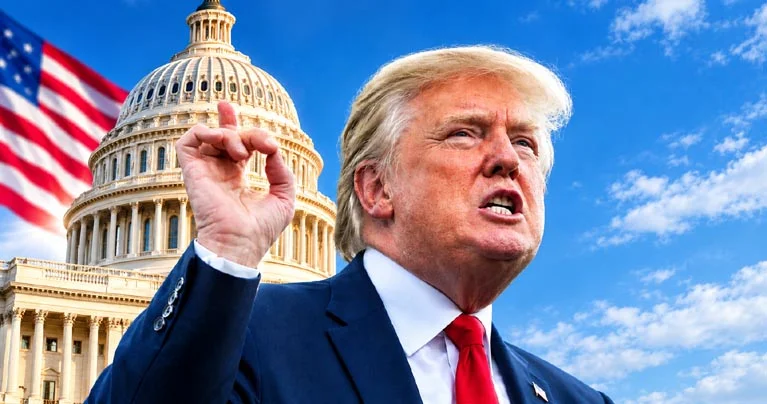
The Trump administration is facing two major legal challenges over its immigration policies, with a federal judge blocking a proposed rule limiting the duration of visas for foreign students, exchange visitors and journalists, while a coalition of states and the District of Columbia has sued to stop a new policy concerning public benefits and green-card applications.
On Monday, September 14, U.S. District Judge F. Dennis Saylor in Boston blocked the administration’s new visa-duration rule, one day before it was scheduled to take effect. The rule would have limited F visas for international students and J visas for cultural-exchange visitors to four years, while I visas for journalists would have been limited to 240 days.
The administration had cited national security concerns and the need to prevent fraud in the visa system. Judge Saylor, however, found that the Department of Homeland Security had provided an “exceptionally weak” rationale for replacing the longstanding system under which many foreign students and researchers could remain in the United States for the duration of their authorized programs.
According to the court’s account cited by Reuters, about 1.6 million people currently hold F visas and another 500,000 hold J visas. Saylor warned that implementing the proposed restrictions could have significant consequences for U.S. higher education and the broader economy.
The administration is also facing a separate legal challenge over a proposed expansion of the “public charge” standard used in immigration decisions.
On Monday, 22 states and the District of Columbia filed a lawsuit in federal court in Manhattan seeking to block a Department of Homeland Security rule scheduled to take effect on September 18. A separate lawsuit was filed by a group of cities and counties.
The proposed rule would allow immigration officials to consider a broader range of government benefits when determining whether someone seeking lawful permanent residence could become primarily dependent on public assistance. Benefits such as Medicaid and food assistance, which generally were not counted under the narrower Biden-era standard, could again be considered under the new policy.
The states and local governments challenging the rule argue that the administration has exceeded its statutory authority and that the policy could discourage immigrant families from using benefits for which they are legally eligible. They are seeking to have the rule blocked before it takes effect.
The Trump administration has defended the policy, arguing that it is intended to discourage reliance on government welfare programs. A Department of Homeland Security spokesperson criticized the states and local officials who filed the lawsuits.
The two legal battles are part of a broader series of court challenges surrounding the Trump administration’s immigration policies. The outcomes could affect international students, exchange visitors, journalists and immigrants seeking permanent residency in the United States.



Like our facebook page
Subscribe our YouTube channel