


 /

 Print
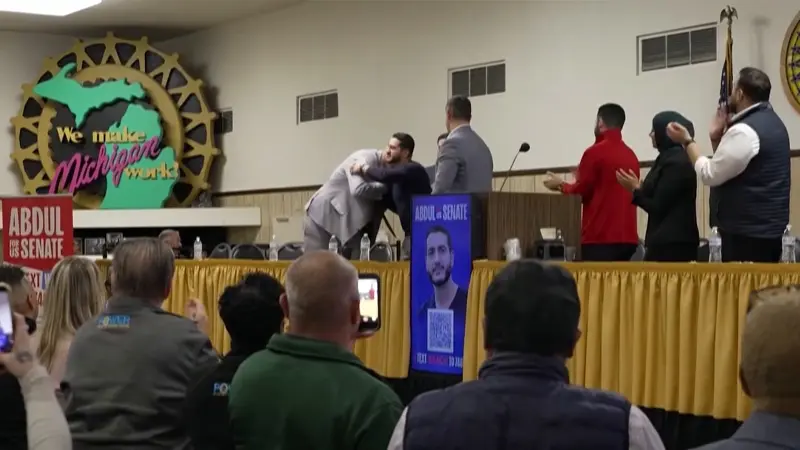
A record 51 Muslim American candidates are running in the upcoming U.S. midterm elections, including 11 candidates seeking seats in Congress and 39 contesting positions in state legislatures, county governments and local offices. Most of the candidates are Democrats.
One of the closely watched races is the Michigan Senate contest, where Democratic candidate and physician Abdul El-Sayed is facing former Republican congressman Mike Rogers.
If elected, El-Sayed would become the first Muslim U.S. senator in the country’s history.
Several prominent Muslim politicians are also seeking re-election to the House of Representatives, including Ilhan Omar, Rashida Tlaib and Andre Carson. Meanwhile, several newcomers secured places on the general election ballot after winning their respective party primaries.
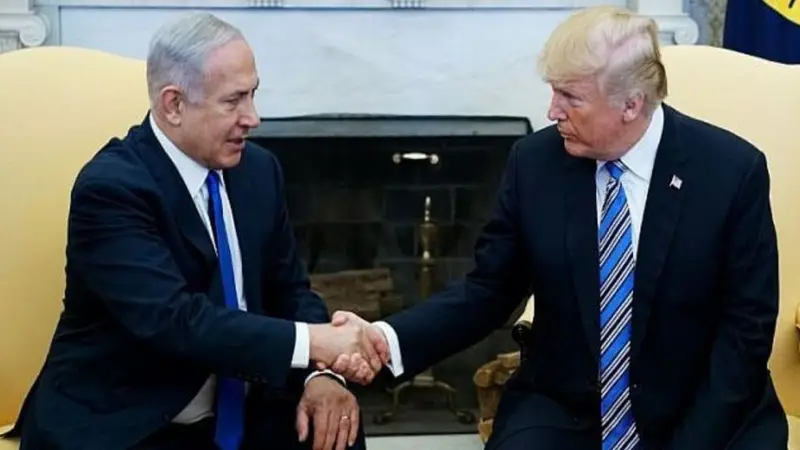
The campaigns have also drawn controversy over the candidates’ religious identities. President Donald Trump has attacked El-Sayed, calling him a “jihadist” and alleging ties to the Muslim Brotherhood. El-Sayed has denied the allegations. An Associated Press report also found no evidence of his connection to the organization.
According to 2026 figures from the Council on American-Islamic Relations (CAIR), at least 255 Muslim officials currently hold elected positions at various levels across 26 states. Among them, 110 are women.
The election results, particularly the outcome of El-Sayed’s Senate race, could mark a significant moment for Muslim American representation in U.S. politics.

Like our facebook page
Subscribe our YouTube channel