


 /
/ 
 Print
Print
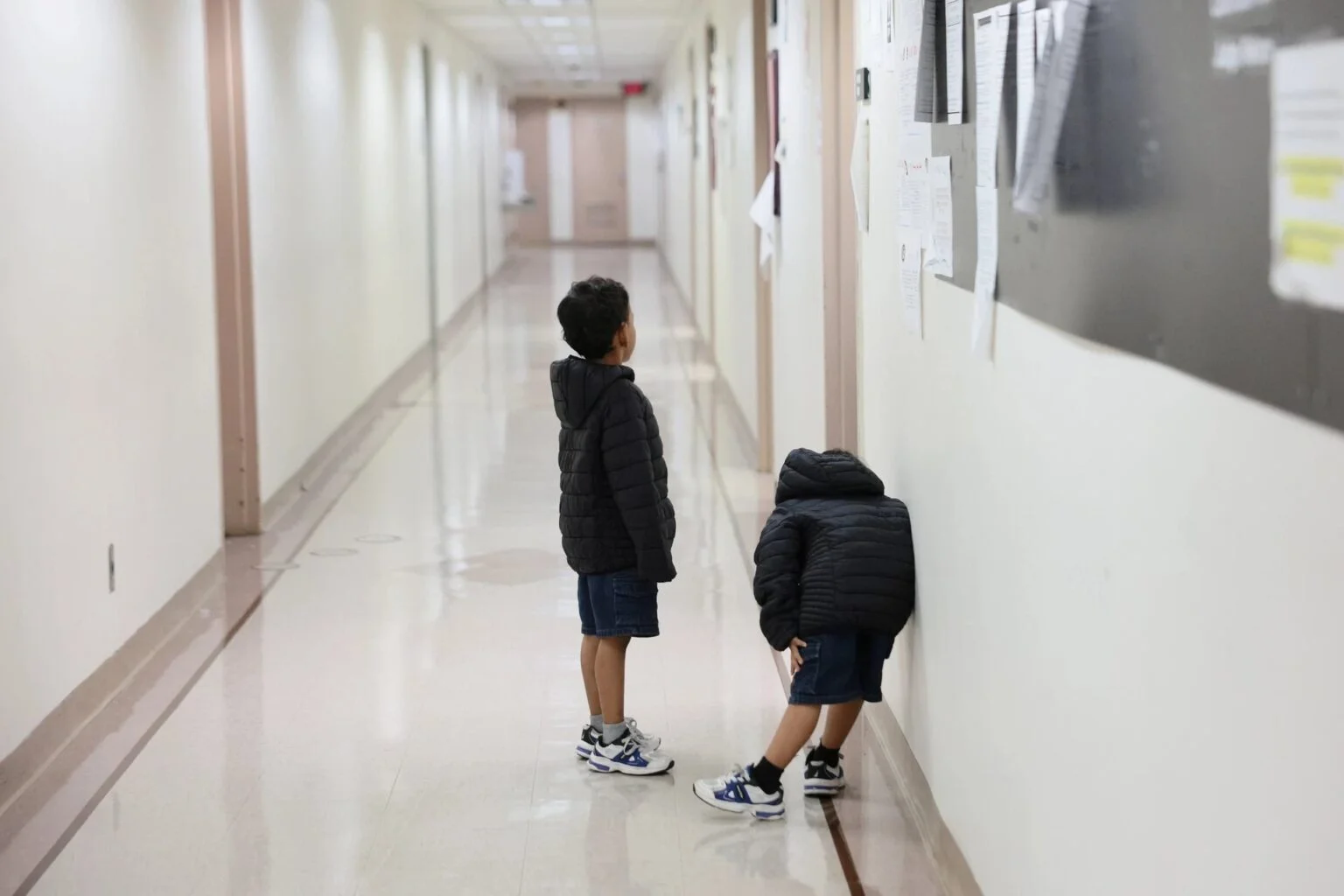
The path to legal status is becoming increasingly difficult for undocumented children in the United States as recent immigration court decisions and administrative changes create new legal and procedural hurdles for minors seeking permanent residency or asylum.
According to Politico, recent decisions involving U.S. immigration courts have introduced restrictions that could make it harder for children awaiting certain immigration visas to have their deportation proceedings paused. Authorities are also reconsidering whether children who entered the United States alone but later began living with their parents should continue to be classified as unaccompanied minors under immigration law.
Immigration attorneys say the new interpretations could be applied too broadly, potentially limiting children’s legal protections and their ability to receive a fair hearing.
Organizations that provide legal assistance to immigrant children have warned that the changes could weaken longstanding protections for minors, who are generally considered particularly vulnerable under U.S. immigration law.
Special Immigrant Juvenile Status
Children seeking Special Immigrant Juvenile (SIJ) status could be among those most affected.
The SIJ program provides a potential pathway to lawful status for certain children who have been abused, abandoned or neglected by one or both parents and whose need for protection has been recognized by a state court.
Previously, attorneys could ask immigration judges to temporarily pause deportation proceedings while a child pursued SIJ status. However, a recent decision by the Board of Immigration Appeals has limited the ability to obtain such a pause solely because a child is waiting for an immigrant visa that could take years to become available because of visa backlogs.
Attorneys are also raising concerns about children who entered the United States without a parent or legal guardian but later reunited with their parents. A change in their legal classification could cause them to lose certain protections available to unaccompanied minors.
Potential Impact on Asylum Claims
One of the biggest concerns involves asylum applications.
Unaccompanied children currently have the opportunity to present asylum claims to specially trained asylum officers. If a child loses unaccompanied-minor status after reuniting with a parent, the child could lose access to that process, potentially affecting the outcome of thousands of asylum cases.
Immigration attorneys say many undocumented children are seeking lawful status through SIJ protection or asylum. Under the new policies and legal interpretations, some children may have to challenge unfavorable decisions through appeals, with some cases potentially reaching federal court.
Changes Already Being Seen in Immigration Courts
The effects of the changes are already being seen in immigration courts.
At an immigration court in Annandale, Virginia, a judge reportedly cited recent legal developments during hearings involving about 50 cases last week. In some cases, requests to postpone proceedings were denied, while some asylum claims were rejected at an early stage.
Officials overseeing the U.S. immigration court system, however, argue that unnecessary delays can also harm people with legitimate claims. They maintain that cases without a valid legal basis must also be resolved efficiently.
The Department of Justice has made reducing the longstanding immigration court backlog a priority. Administration officials say the recent decisions reflect their interpretation of immigration law and are intended to ensure cases are handled more quickly and consistently.
Growing Uncertainty for Undocumented Children
Immigration advocates and attorneys representing children say minors generally have fewer options for obtaining lawful status than adults.
Depending on their circumstances, adults may have immigration pathways through marriage to a U.S. citizen or lawful permanent resident, or through employment-based sponsorship. Children generally do not have the same range of options.
Advocates therefore fear that the latest administrative and legal changes could leave many undocumented children facing greater uncertainty about their future in the United States.
For some minors, the ability to obtain lawful status, pursue asylum or delay or prevent deportation could increasingly depend on legal challenges and appeals.
Source: Politico



Like our facebook page
Subscribe our YouTube channel