


 /
/ 
 Print
Print
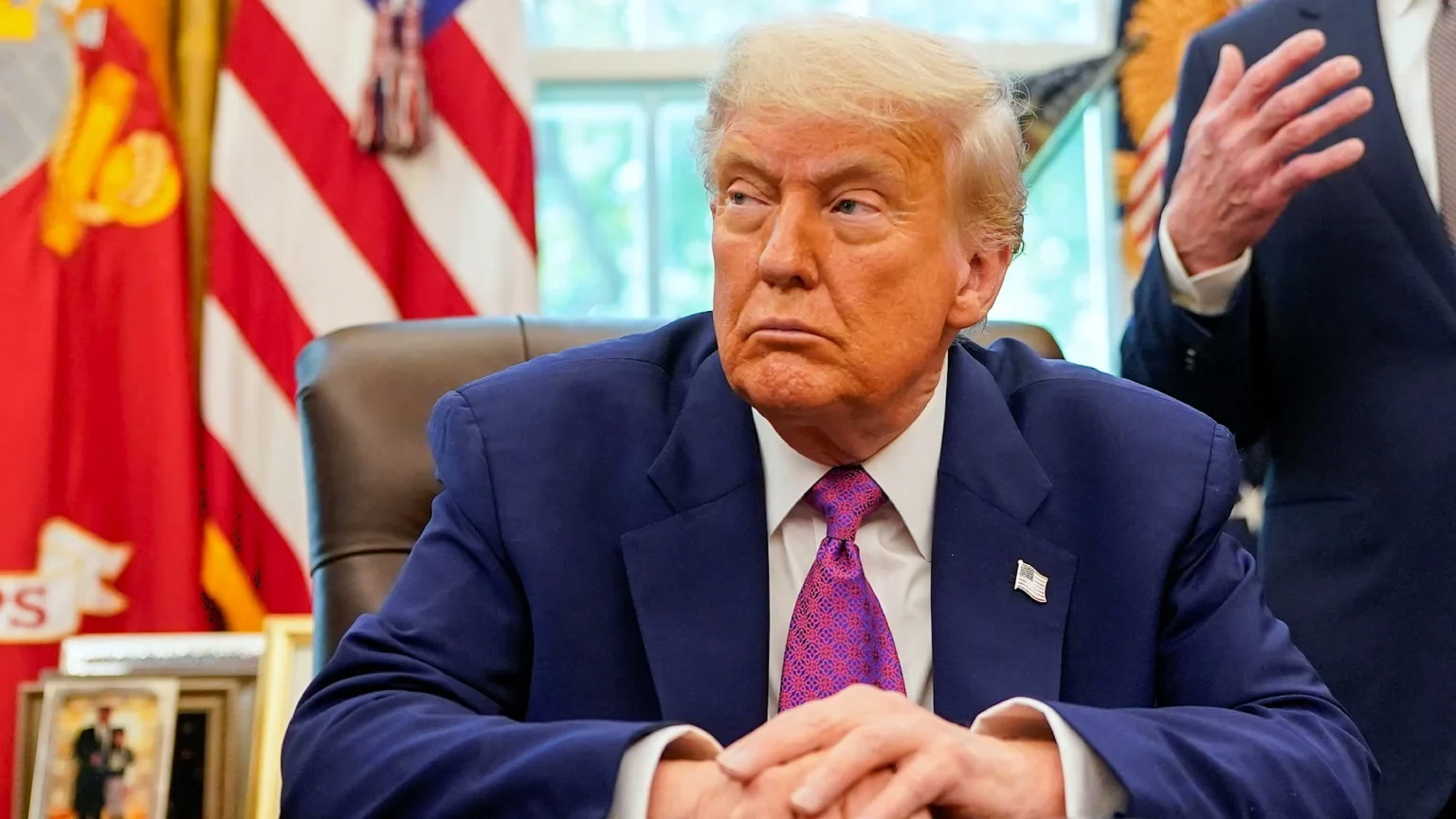
U.S. President Donald Trump decided to launch military action against Iran despite warnings from senior intelligence officials, Vice President JD Vance and top military leaders, according to a special report cited by Anadolu Agency.
The report said Trump ultimately moved forward with the operation after receiving assurances and advice from Israeli Prime Minister Benjamin Netanyahu.
Days before the war began, Trump summoned then-Director of National Intelligence Tulsi Gabbard to the White House to discuss whether a full-scale military attack on Iran was justified.
Gabbard reportedly warned that killing Iran’s supreme leader could pave the way for an even more hardline leadership that might be more determined to acquire nuclear weapons. Intelligence officials also warned that Iran could quickly disrupt shipping through the Strait of Hormuz, potentially triggering major turmoil in global energy markets.
U.S. intelligence assessments further cautioned that Iran could retaliate by attacking American forces and their partners across the Middle East. Such a conflict, officials warned, could also raise questions among U.S. allies about Washington’s reliability and long-term commitments.
However, a senior Trump adviser and Netanyahu reportedly argued that Iran was in its weakest position in decades. They viewed the situation as a rare opportunity to destroy Iran’s nuclear program while strengthening Trump’s image as a leader capable of pursuing peace.
Vice President JD Vance also reportedly favored negotiations over war. His position was that a diplomatic agreement would be less costly than entering a conflict that could eventually spiral beyond U.S. control.
Defense Secretary Pete Hegseth and Gen. Dan Caine, the nation’s top military officer, briefed Trump on various plans for potentially decisive strikes. Some officials, however, raised concerns about ammunition shortages and the strain on U.S. military forces. Trump reportedly dismissed those concerns, saying the military would be able to handle the situation.
Trump initially appeared satisfied after the war began, but the rising cost of fuel and the prospect of a prolonged conflict later changed the situation. Leaders from Saudi Arabia and Qatar also reportedly urged the administration to pursue a diplomatic solution.
Meanwhile, U.S. opinion polls showed that roughly 80% of Americans supported an agreement to end the war. Several Republican leaders also warned that a prolonged conflict could hurt the party’s prospects in the November midterm elections. Trump subsequently pursued an interim ceasefire initiative in June.
A 60-day deadline for negotiations over Iran’s nuclear program expired on August 17 without a final agreement. The Trump administration has since turned toward a strategy involving a long-term naval blockade and sanctions aimed at weakening the Iranian government.




Like our facebook page
Subscribe our YouTube channel