


 /
/ 
 Print
Print
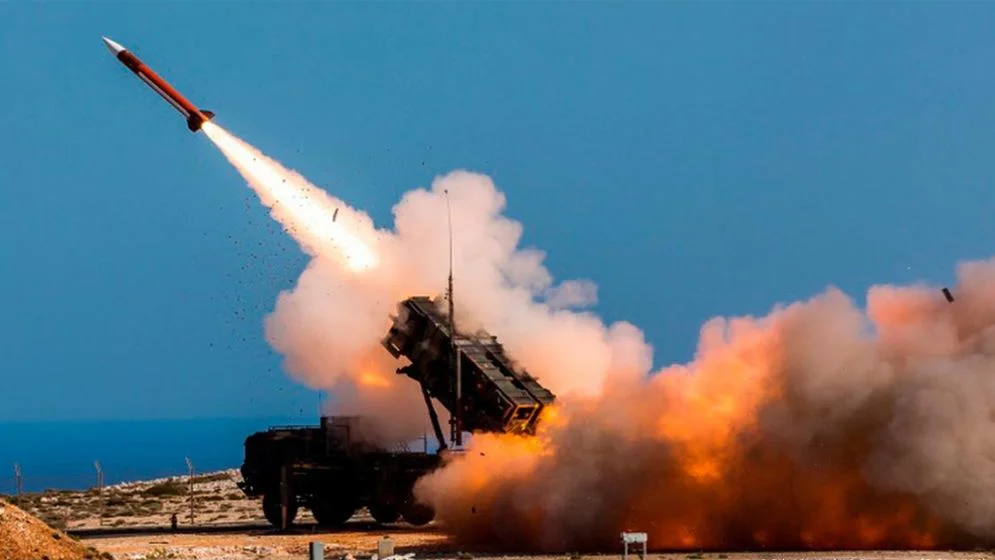
US President Donald Trump has temporarily shelved plans for a major escalation of military action against Iran after senior Pentagon officials warned that a broader conflict could dangerously deplete America’s stockpile of Patriot interceptor missiles and other critical air defence munitions.
According to administration officials familiar with the internal discussions, concerns over the dwindling supply of interceptor missiles played a key role in Trump’s decision following a high-level meeting with senior advisers and Cabinet members on Friday.
Officials said the administration also weighed the risks of a wider regional conflict, potential damage to ties with Gulf allies, growing pressure on the global economy, and the possibility of worsening energy and refugee crises.
Sources briefed on the meeting said only a handful of Trump’s closest advisers supported launching a significantly expanded military campaign against Iran, with most cautioning against the move.
The Pentagon’s shrinking inventory of Patriot missile interceptors emerged as a major concern during the closed-door discussions.
US military installations in Jordan, Kuwait, Bahrain and the United Arab Emirates have faced repeated Iranian ballistic missile and drone attacks over the past two weeks.
According to a senior US official, three American soldiers were killed in Jordan last Friday after an Iranian ballistic missile penetrated US air defences during a large-scale missile and drone assault.
Chairman of the Joint Chiefs of Staff Gen. Dan Caine reportedly advised Trump that while a larger military campaign was operationally feasible, it could severely reduce the number of interceptor missiles available to US Central Command, which oversees military operations across the Middle East.
A spokesman for Gen. Caine declined to comment on the advice given to the president.
Internal Pentagon estimates and congressional officials said the United States had fired more than 1,200 Patriot interceptor missiles by late April. Each missile costs more than $4 million, with officials warning that inventories—already considered critically low—have continued to decline.
Military planners warned that any large-scale US offensive would likely provoke a stronger Iranian retaliation against American forces and regional allies, placing even greater pressure on already stretched air defence systems.
Despite signalling military readiness in public, Trump ultimately opted to delay a broader offensive.
“We’re locked and loaded,” Trump told reporters on Friday. “We’re ready to go, but we’re talking to them, so maybe there will be, maybe there won’t be a tipping point.”
Speaking to Axios a day earlier, Trump said he was considering “a massive attack” that would be “bigger than ever before” and that a decision was imminent.
In anticipation of possible escalation, the Pentagon had deployed additional troops, weapons and logistical support across the Middle East.
Military officials said commanders had been preparing for the opening phase of a broader bombing campaign targeting Iranian coastal radar installations, anti-ship missile launchers, fast attack boats and other military sites linked to attacks on commercial shipping in the Strait of Hormuz.
Potential strikes on Iranian energy infrastructure and nuclear facilities—including the site known as Pickaxe Mountain—were also reportedly under consideration.
The US military has already carried out strikes that damaged or destroyed several railway bridges in Iran, arguing they are used to transport military equipment and supplies to the country’s southern coast and the Strait of Hormuz, despite also serving civilian transportation.
By late Friday, however, Trump appeared to have paused plans for the broader military operation, with Pentagon assessments warning that the cost to America’s air defence capabilities could outweigh the potential military gains.



Like our facebook page
Subscribe our YouTube channel