


 /
/ 
 Print
Print
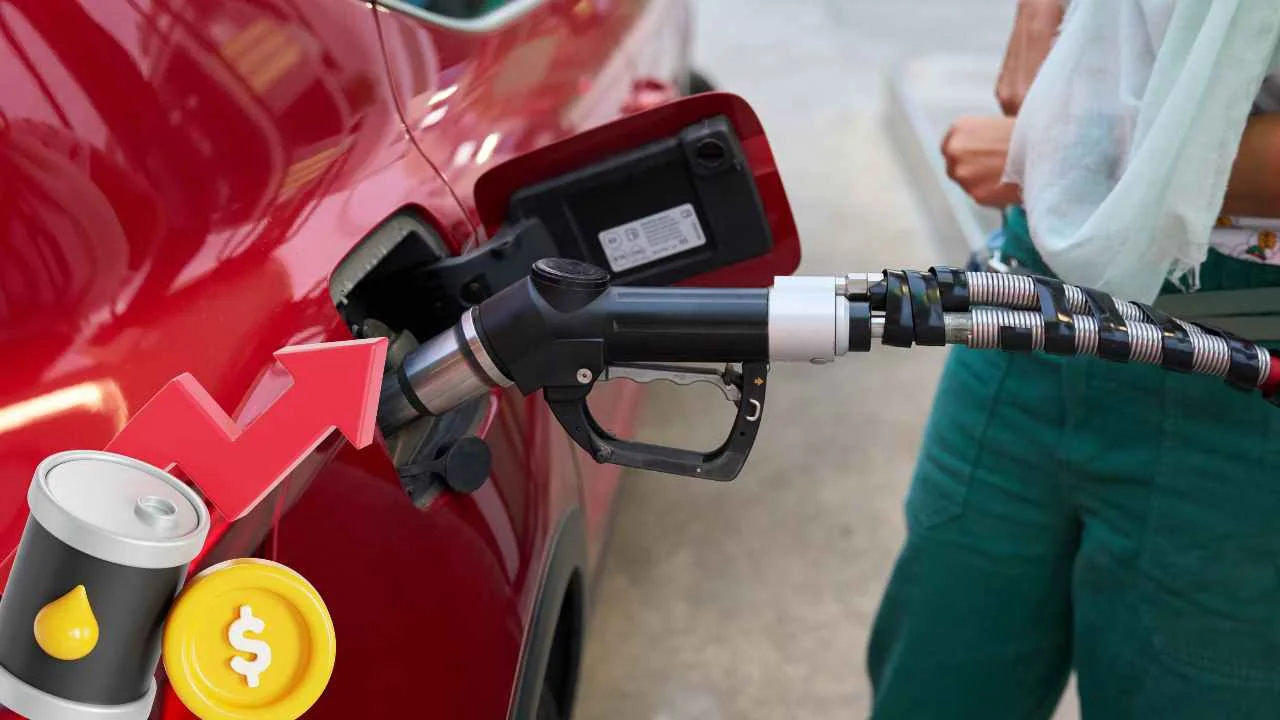
Average gasoline prices in the United States have once again crossed the $3-a-gallon mark, reaching the level on Monday for the first time since November, according to the latest data. The increase comes as renewed conflict in the Middle East fuels uncertainty in global energy markets, directly affecting American consumers.
In the international market, the price of Brent Crude jumped by nearly 6 percent in a single day, climbing above $76 per barrel. Analysts say rising military tensions in the Middle East have raised concerns over oil supply, which are quickly being reflected in higher gasoline prices at U.S. pumps.
Experts warn that prices could climb further if the conflict drags on. Arizona State University Middle East analyst Shirvin Zeinalzadeh noted that a significant share of the world’s oil supply comes from the region, meaning instability there tends to ripple rapidly through global markets.
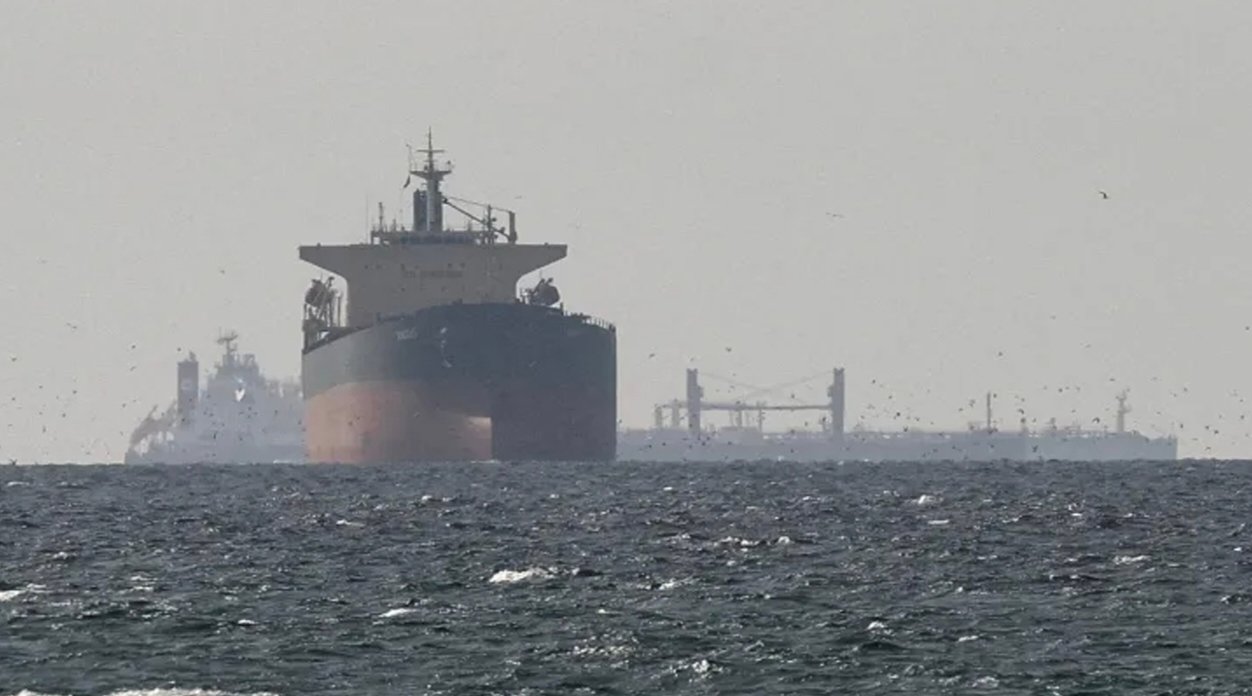
The situation has grown more complicated after Iran warned it could shut down the Strait of Hormuz, a critical maritime route through which large volumes of crude oil are transported daily. Analysts caution that a prolonged disruption could trigger a severe global supply shock, potentially pushing oil prices toward $100 per barrel.
Rising gas prices are also expected to have political implications in the United States. With midterm elections approaching, higher fuel costs are increasing pressure on households. Although overall inflation has eased somewhat, the cost of everyday necessities remains a concern for many consumers.
Economists note that gasoline prices are a highly visible indicator felt daily by the public. As a result, ongoing volatility in energy markets is likely to influence not only economic conditions but also public sentiment and market behavior. Overall, escalating tensions in the Middle East are emerging as a renewed source of concern for both the U.S. and the global economy.




Like our facebook page
Subscribe our YouTube channel