


 /
/ 
 Print
Print
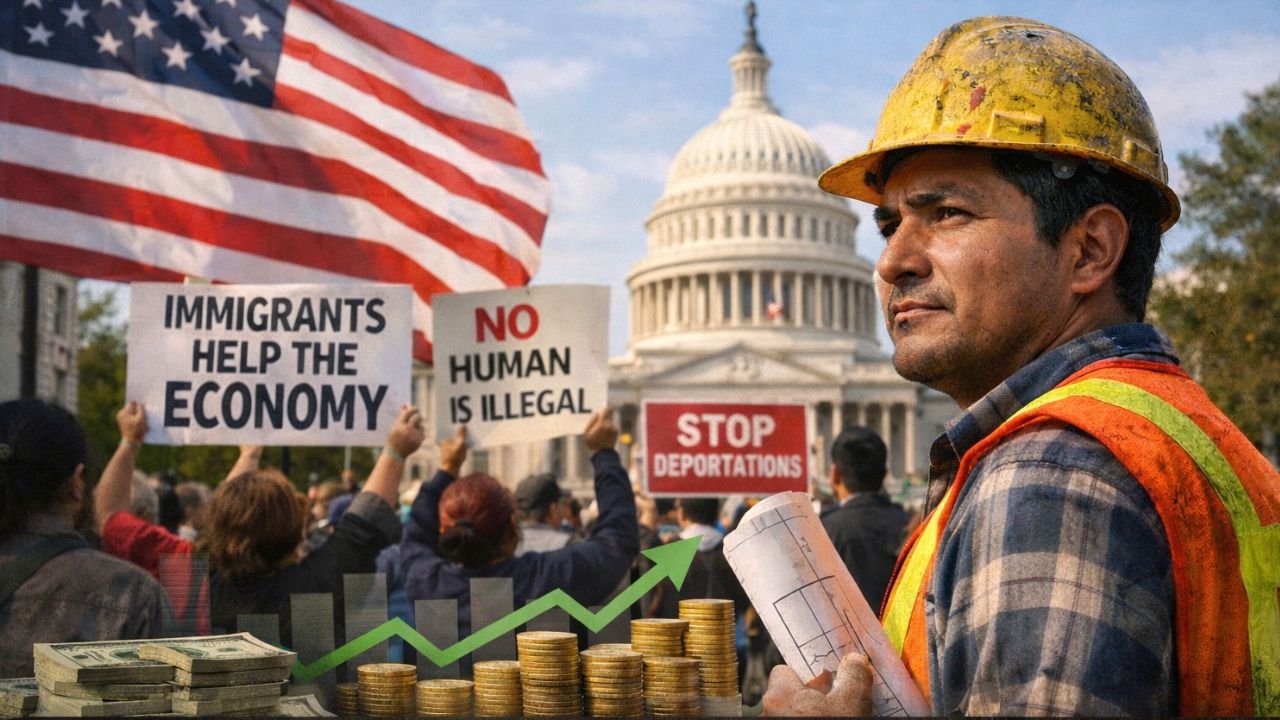
Undocumented immigrants in the United States have significantly contributed to reducing the national deficit over the past three decades, according to new research examining the fiscal impact of immigration.
The study highlights that, despite debates over stricter immigration policies, undocumented workers have effectively subsidized government programs and bolstered the economy, helping to shrink the U.S. deficit by an estimated $14.5 trillion since the early 1990s. Researchers cite contributions through payroll taxes, consumption of goods and services, and other economic activities that have generated revenue for federal and state governments.
The findings come amid renewed attention on immigration enforcement under the Trump administration. Large-scale protests in cities like Minneapolis have drawn attention to federal crackdowns on undocumented immigrants, sparking heated debates about economic, social, and labor impacts. While some argue that stricter immigration limits protect American jobs and wages, economic evidence consistently shows that immigration tends to boost overall economic growth and productivity.
Experts note that undocumented workers often fill essential roles in industries such as agriculture, construction, and services, sectors that rely heavily on labor that is difficult to replace domestically. Their contributions, both direct and indirect, have helped fund Social Security, Medicare, and other public programs, despite their limited access to benefits.
“This research underscores the important, often overlooked role immigrants play in sustaining the country’s economic health,” said an economist involved in the study. “Far from being a drain on public resources, undocumented immigrants have provided substantial fiscal support over the past three decades.”
The study’s conclusions add context to ongoing national debates about immigration policy, economic inequality, and labor shortages, particularly as policymakers weigh proposals for border enforcement and pathways to citizenship.
As the conversation around immigration continues, these findings highlight the complex and substantial impact of undocumented populations on the U.S. economy.





Like our facebook page
Subscribe our YouTube channel