


 /
/ 
 Print
Print
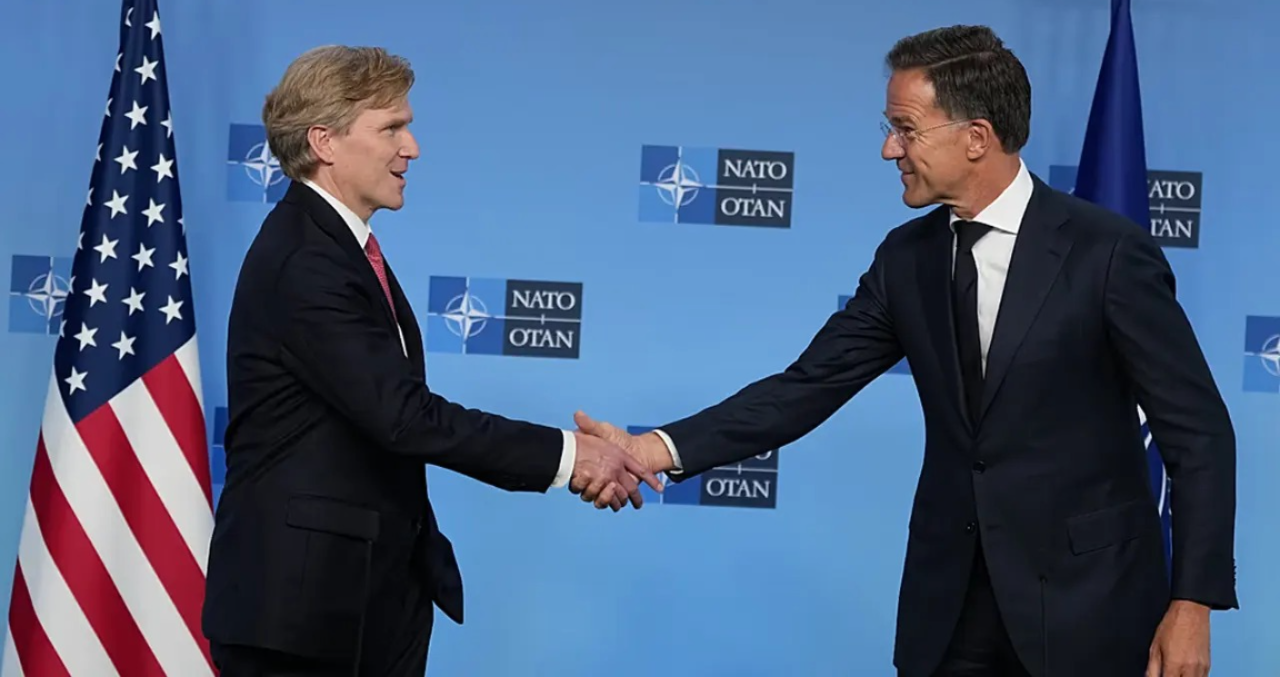
Concerns over divisions within NATO have emerged after the United States held a separate meeting with five key European members of the alliance. Britain, France and the Baltic states were not invited to the meeting, raising questions about growing divisions within the alliance.
U.S. Under Secretary of Defense for Policy Elbridge Colby is meeting representatives from Sweden, Finland, Poland, Germany and the Netherlands in Poland. The meeting is focused on NATO’s defense capabilities and the future of the alliance.
Known as the “Bergen Group,” the group held its first meeting in Norway last year. Its main purpose is to discuss NATO’s future defense structure.
The decision not to invite Britain, France and the Baltic states of Estonia, Latvia and Lithuania has drawn criticism.
Fabrice Pothier, CEO of geopolitical consultancy Rasmussen Global, said such divisions could be harmful to an alliance that relies on collective defense, such as NATO. He said the structure of the meeting could create the impression that the United States is giving greater importance to some countries than others.
NATO, however, has played down the significance of the meeting. A NATO official told Euronews that it is not unusual for smaller groups of member states to hold meetings.
The United States and European countries are also holding renewed discussions over the division of defense responsibilities. Under the proposed “NATO 3.0” framework, European countries would be expected to take greater responsibility for conventional defense. At the same time, the United States is considering reducing some of its military presence and capabilities in Europe.
This includes the possible withdrawal of certain capabilities from Europe, including bombers, submarines and military personnel.
Critics fear that a growing tendency to hold meetings and make decisions through smaller groups could divide NATO members into “good Europeans” and “bad Europeans.” They also warn that this could increase U.S. influence within the alliance.
Pothier said smaller group meetings could lead to new initiatives. However, he questioned why the United States would choose some countries and exclude others if the discussions were not about specific policy issues.
He said the U.S. approach could create the impression that Washington considers some allies more important than others and would prioritize protecting them in times of crisis.
Pothier also suggested that recent differences between U.S. President Donald Trump and Britain and France may have played a role in their exclusion. He pointed to Britain and France’s initial reluctance to join the United States in the war with Iran, as well as France’s emphasis on purchasing European-made military equipment.
British diplomats, however, have rejected such speculation. They said Britain remains in regular contact with the United States and that relations with Washington are continuing normally.
Source: Euronews


Like our facebook page
Subscribe our YouTube channel