


 /
/ 
 Print
Print
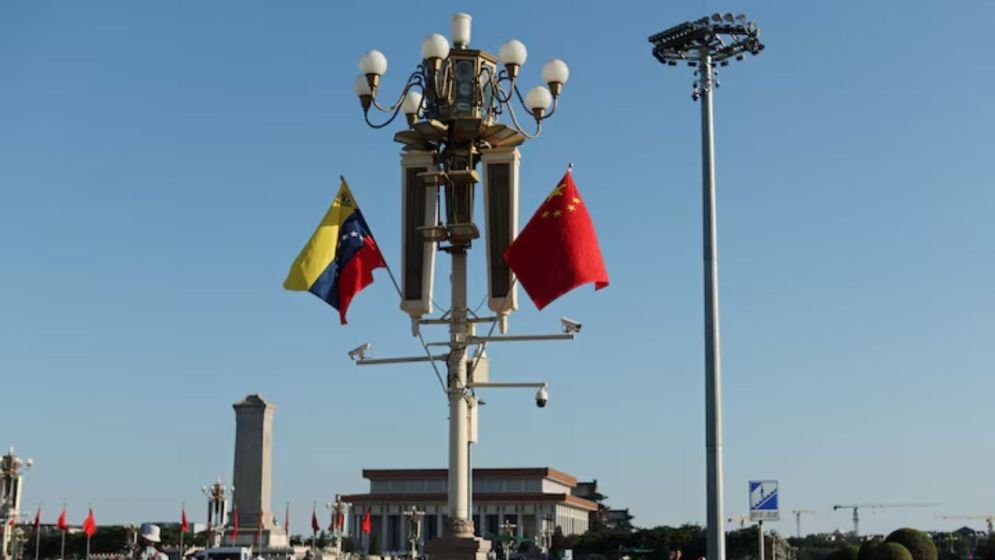
Venezuela’s oil exports to China are expected to fall sharply beginning in February, as fewer tankers are successfully departing the OPEC producer following a new U.S. blockade targeting sanctioned ships transporting Venezuelan crude, according to traders and analysts. Market participants said the decline reflects mounting logistical disruption after the U.S. announced enforcement actions that have discouraged vessel owners from carrying Venezuelan cargoes due to the risk of seizure.
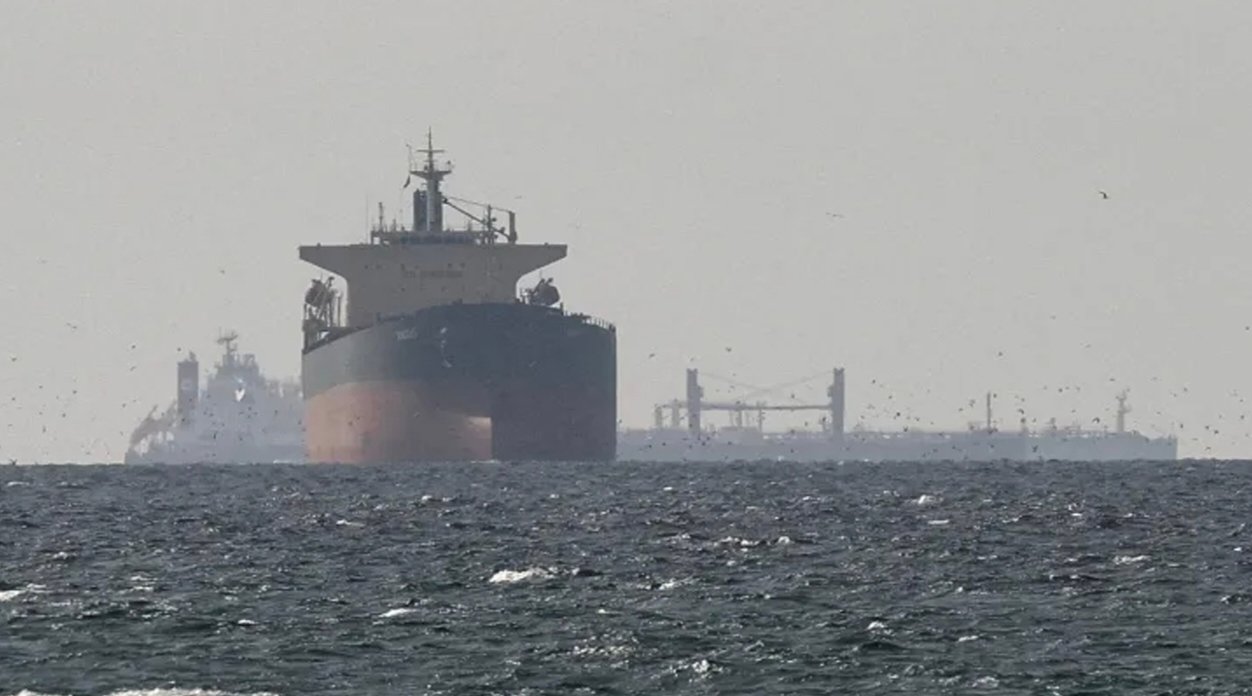
Industry sources reported that tanker departures from Venezuela have dropped significantly since U.S. President Donald Trump imposed the blockade in December, part of a pressure campaign against Venezuelan President Nicolas Maduro that escalated into a U.S. military incursion resulting in Maduro’s capture. Following the incident, Trump claimed the United States was now in control of Venezuela and began encouraging American energy companies to invest in the country’s oil sector. However, the blockade and subsequent seizures of five Venezuela-linked vessels have created new uncertainty across shipping routes, forcing some owners to turn around or remain near Venezuelan waters even after loading crude.
Tracking data and industry accounts indicated that approximately a dozen loaded tankers left Venezuela with transponders switched off amid the January 3 raid, but many later returned after Venezuela’s interim government reportedly negotiated a 50 million barrel oil supply agreement with Washington. Only three vessels have continued toward Asia and are expected to reach China in late February, according to a person involved in transporting the oil. The cargoes are said to include roughly 3 million barrels of fuel oil and 2 million barrels of Merey heavy crude, a major Venezuelan export grade.
Analysts at shipping and commodities tracking firms reported similar findings. Richard Ro, a crude analyst for the Americas at Kpler, said that since the blockade began, about 2.9 million barrels of crude have departed Venezuela for Asia on three vessels, while an additional 2.6 million barrels of fuel oil may have passed through despite restrictions. Venezuela’s state oil company PDVSA did not respond to requests for comment regarding vessel movements or returns.
The estimated 5 million barrels expected to arrive in China equates to about 166,000 barrels per day, a steep decline from the average 642,000 barrels per day Venezuela exported to China in 2025, according to internal PDVSA documents cited by traders. Those exports accounted for roughly 75% of Venezuela’s total average shipments of 847,000 barrels per day last year, underscoring the scale of China’s importance as the country’s primary crude buyer.
Despite the projected downturn, analysts noted that China built large Venezuelan oil stockpiles late last year, with tens of millions of barrels still in transit. Kpler estimates approximately 43 million barrels are currently heading east, while shipping tracker Vortexa estimates 52 million barrels are on route. Vortexa data also showed China imported a record 660,000 barrels per day of Venezuelan crude in November, before easing to around 450,000 barrels per day in December as storage tanks filled.
Market participants said global trading firms including Trafigura and Vitol have begun marketing Venezuelan crude under U.S. authorization, aiming at buyers such as Indian refiners and Chinese state energy company CNPC for March deliveries. However, the decline in supply is expected to be most disruptive for China’s independent refiners, known in the market as “teapots,” which have historically been among the largest buyers of Venezuelan crude grades such as Merey and fuel oil. Traders noted that Venezuelan supply still represents only about 4% of China’s total seaborne crude imports, limiting its impact on the broader Chinese market.
Industry sources said some teapot refiners still have shipments arriving in March and April that departed before the blockade, but uncertainty remains for future deliveries. Traders added that Chinese independent refiners may need to seek alternative heavy crude supplies in the second quarter, including Canada’s Cold Lake and Access Western Blend, as shifting trade flows could redirect more Canadian barrels toward Asian markets.




Like our facebook page
Subscribe our YouTube channel