


 /
/ 
 Print
Print
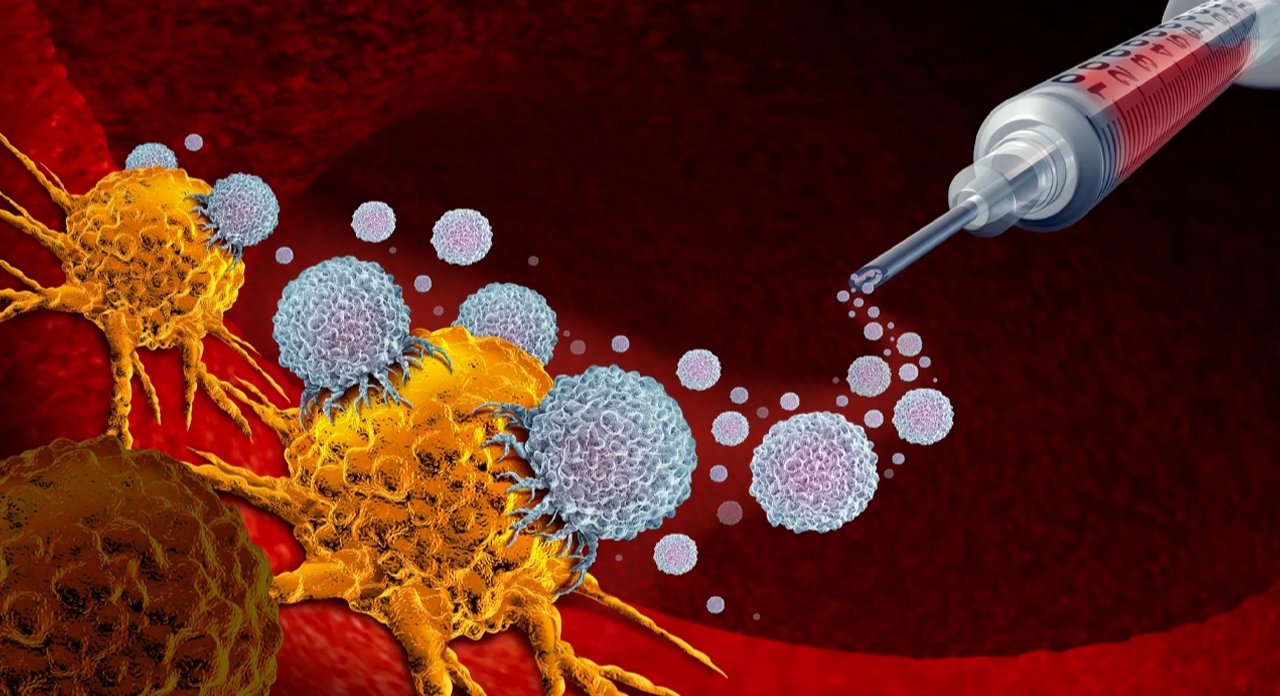
A new experimental injection has opened a promising avenue in cancer treatment. A clinical trial has found that a drug called Amivantamab was able to completely eliminate tumors in some patients.
The study, conducted across 11 countries, involved patients whose cancer had either spread to other parts of the body or returned after treatment, and for whom conventional chemotherapy and immunotherapy were no longer effective.
Among 102 patients with head and neck cancer who participated in the trial, 43 experienced significant tumor shrinkage or complete disappearance of their tumors. Of these, 28 patients saw their tumors substantially reduced in size, while 15 patients showed evidence of complete tumor elimination.
Professor Kevin Harrington, from the Division of Biological Cancer Therapies at the Institute of Cancer Research in London, described the results as unprecedented for patients whose cancers had become resistant to both chemotherapy and immunotherapy.
He noted that treatment options for such patients have been extremely limited, making the findings particularly significant.
The research findings will be presented at the annual meeting of the American Society of Clinical Oncology (ASCO) in Chicago, one of the world’s largest cancer conferences.
According to researchers, Amivantamab fights cancer in three ways. It blocks the EGFR protein, which helps tumors grow, shuts down the MET pathway that allows cancer cells to evade treatment, and activates the body’s immune system to attack tumors.
The drug was developed by Johnson & Johnson. In addition to lung cancer, nearly 60 clinical trials are currently underway to evaluate its effectiveness against colorectal, brain, and stomach cancers.
One trial participant, Carl Walsh, 56, was diagnosed with tongue cancer in 2024. After chemotherapy and immunotherapy failed, he enrolled in the experimental treatment program.
“Before starting the treatment, I could barely speak and had difficulty eating,” Walsh said. “Now the swelling has reduced significantly, the pain has eased, and I’m able to live a normal life again.”
Researchers said that unlike many cancer treatments that require lengthy intravenous infusions, Amivantamab is administered through a small injection under the skin once every three weeks, making it more convenient for patients.
They also reported that most side effects were mild to moderate. Fewer than one in ten patients had to discontinue treatment because of side effects.
Professor Christian Helin, Chief Executive of the Institute of Cancer Research, said the study demonstrates how innovative research can deliver meaningful progress for patients with limited treatment options.
He added that the strong response rates and encouraging survival outcomes among patients with difficult-to-treat cancers represent a major advancement in cancer medicine.
Source: The Guardian.





Like our facebook page
Subscribe our YouTube channel