


 /
/ 
 Print
Print
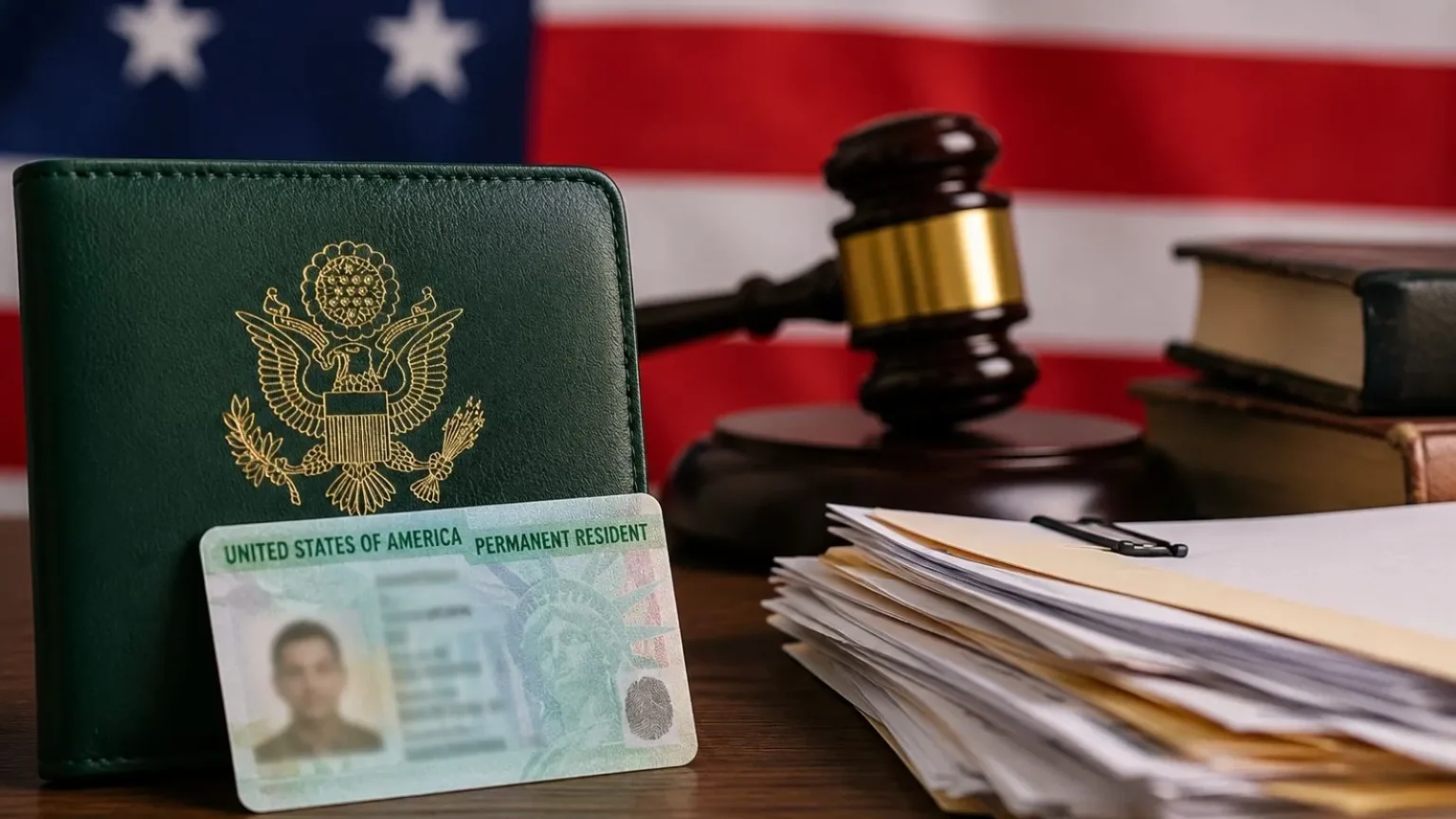
The Trump administration has introduced a series of immigration policy changes that are making it more difficult for many applicants to obtain US permanent residency, commonly known as a green card.
The new measures include requiring many applicants to return to their home countries to complete the green card process, increasing scrutiny of applications filed by spouses of US citizens, and expanding the criteria under which applicants can be denied permanent residency.
One of the most significant changes involves the Department of Homeland Security’s decision to roll back a Biden-era “public charge” policy. Beginning September 18, immigration officials will be allowed to consider a broader range of public benefits, including Medicaid, the Children’s Health Insurance Program (CHIP), and the Supplemental Nutrition Assistance Program (SNAP), when evaluating green card applications.
The administration says the reforms are intended to ensure that immigrants are financially self-sufficient and reduce reliance on taxpayer-funded assistance. Officials argue the changes align more closely with congressional intent.
Immigration attorneys, however, say the new policies create uncertainty and could lead to inconsistent decisions. They also warn that applicants whose requests are denied inside the United States may be required to leave the country and complete the process through US consulates abroad, potentially separating families for extended periods.
Legal experts have also expressed concern that the broader public charge standard could discourage eligible immigrant families from accessing healthcare and other essential public services.
According to immigration lawyers, the stricter rules appear to have a greater impact on some categories of applicants, including international students, humanitarian parole recipients, individuals under Temporary Protected Status (TPS), and Deferred Action for Childhood Arrivals (DACA) beneficiaries.
Several immigrant advocacy groups have announced plans to challenge the new public charge rule in court, arguing that it could result in arbitrary denials and increased legal uncertainty for green card applicants.



Like our facebook page
Subscribe our YouTube channel