


 /
/ 
 Print
Print
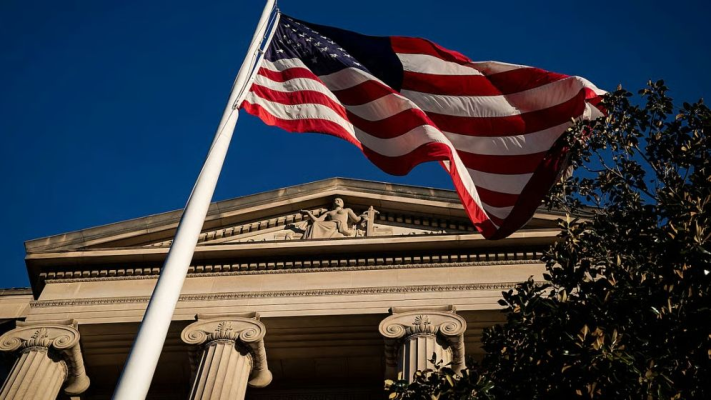
US President Donald Trump’s hardline immigration policies are drawing growing scrutiny over their potential effects on the economy, local businesses, and public services ahead of the November 3 midterm elections.
The administration’s intensified immigration enforcement and deportation efforts are affecting industries that rely heavily on immigrant workers, including agriculture, food production, hospitality, construction, and healthcare. Business owners, industry representatives, and community members have raised concerns about labor shortages, disruptions to business operations, and uncertainty surrounding workers’ legal status and employment authorization.
According to a report published by British newspaper The Guardian on October 12, immigration enforcement operations have become an increasingly significant issue in several states, with consequences extending beyond immigration policy to the cost of living, employment, and access to essential services.
The debate is gaining political importance as Americans prepare to vote in elections that will determine control of the House of Representatives and part of the Senate.
Labor Shortages Raise Concerns in Agriculture and Food Production
The US agricultural sector relies significantly on immigrant workers, particularly in labor-intensive activities such as harvesting crops, picking fruits and vegetables, dairy farming, and meat processing.
Industry representatives warn that immigration enforcement operations could discourage even legally authorized workers from reporting to work, potentially disrupting production and supply chains.
In Kansas, cattle ranchers have expressed concern that immigration operations are creating uncertainty among skilled workers with valid documentation. Matt Teagarden, chief executive of the Kansas Livestock Association, told The Guardian that many agricultural businesses depend on immigrant labor and cannot expand production without an adequate workforce.
The potential consequences extend beyond farms and ranches. Labor shortages could affect food processing facilities, transportation networks, wholesalers, and retailers, eventually placing additional pressure on consumers.
However, the extent to which immigration enforcement may affect food prices depends on several factors, including labor availability, production costs, weather conditions, fuel prices, and supply chain disruptions.
According to The Guardian, approximately two-thirds of US farmworkers are noncitizen immigrants. The report also cited a study by the policy organization Fwd.us warning that immigration enforcement could disrupt agricultural operations and contribute to higher food prices.
Agricultural employers have long sought more predictable legal pathways to recruit the workers they need. At the same time, supporters of stricter immigration enforcement argue that employers must comply with existing immigration and employment laws.
The challenge for policymakers is to balance immigration enforcement with the labor requirements of industries that depend on seasonal and specialized workers.
Restaurants and Hotels Face Business Uncertainty
Immigrant workers play an important role in the US hospitality industry, working in kitchens, serving customers, cleaning hotel rooms, and performing other essential tasks.
According to The Guardian, restaurant and hotel owners in Florida have reported that the presence of immigration enforcement officers is creating anxiety among both employees and customers.
Some business owners fear that workers may avoid their jobs and customers may stay away from commercial areas, disrupting normal business activity.
In Baltimore, Maryland, restaurant owner Carlos Raba has raised concerns about the potential consequences of changes to Temporary Protected Status, or TPS, for Salvadoran employees at his restaurant, Clavel.
Raba told a congressional hearing that if his employees lost their protection and became unable to continue working legally, his restaurant could lose as much as 80 percent of its staff.
Such a loss could make it difficult for businesses to maintain normal operations. Recruiting and training replacement workers can be costly, while staffing shortages may force establishments to reduce operating hours or limit services.
The impact may also extend to local economies. If customers become reluctant to visit restaurants and other businesses, declining sales could put additional pressure on employers.
The Guardian also reported that Katia Rios, owner of Pipo Burgers in Florida, said her restaurant’s sales had fallen by 70 percent amid concerns associated with immigration enforcement.
These accounts illustrate the difficulties reported by some business owners, although the effects are not uniform across the industry. The extent of the impact depends on workforce composition, employees’ immigration status, business location, and local economic conditions.
Healthcare Sector Raises Concerns Over Workforce Stability
Immigration policy is also drawing attention in the healthcare sector, where many institutions face difficulties recruiting and retaining qualified professionals.
According to the Association of American Medical Colleges, nearly one in four physicians in the United States received their medical training abroad. Internationally trained doctors play an important role in addressing physician shortages, particularly in rural and underserved communities.
The figures, cited by The Guardian, highlight the contribution of internationally trained medical professionals to the US healthcare system.
Immigrants also work in nursing support, eldercare, and long-term care facilities. Uncertainty surrounding employment authorization and immigration status could create additional staffing challenges for institutions that rely on these workers.
The consequences could be particularly serious in rural areas, where recruiting replacement doctors and care workers can be difficult. Staffing shortages may force healthcare providers to reduce service hours, limit patient intake, or place additional pressure on existing employees.
The Guardian also cited reporting by the Boston Globe indicating that approximately 13,000 Haitian TPS holders worked as nursing assistants, providing care to around 65,000 patients.
These figures underscore the potential consequences of changes to immigration protections for healthcare staffing and patient care.
However, the overall impact of immigration policy on healthcare services cannot be determined without comprehensive data showing how many workers have lost employment authorization, left their jobs, or been replaced in different parts of the country.
Temporary Protected Status Creates Uncertainty for Some Workers
Temporary Protected Status is a US immigration program that allows eligible nationals of designated countries to remain temporarily in the United States when conditions in their home countries make a safe return difficult.
Qualifying circumstances may include armed conflict, natural disasters, or other conditions designated under US law.
TPS is not a green card and does not provide permanent residency. Eligible beneficiaries may receive employment authorization, subject to applicable rules and requirements.
Changes to TPS designations, expiration dates, or related legal decisions can create uncertainty for workers and employers, particularly in industries that rely on employees covered by the program.
According to The Guardian, the Trump administration had already revoked TPS protections affecting thousands of Haitians and Syrians by the time of publication. The report also said Salvadoran restaurant workers could face uncertainty if protections for Salvadoran nationals were revoked.
The distinction between immigration status and employment authorization is important. The legal consequences of a TPS decision can depend on the applicable designation, court orders, individual circumstances, and the validity of a worker’s employment authorization.
Therefore, the current legal position of any particular group should be assessed using the latest official government announcements and relevant court rulings.
Immigration Enforcement Affects Local Communities
The effects of immigration enforcement may extend beyond workplaces and into everyday community life.
When enforcement operations create widespread anxiety, some families may become reluctant to visit schools, healthcare facilities, or local businesses. Such changes in behavior could affect commercial activity and access to public services.
However, experiences vary considerably between communities. Local law enforcement practices, demographic conditions, the types of businesses operating in an area, and access to public services can all influence the effects.
Supporters of the administration’s approach argue that enforcing immigration laws is a government responsibility and that border security and public safety must remain priorities.
Critics argue that aggressive enforcement and uncertainty surrounding the legal status of workers can also affect people who have authorization to live and work in the United States, as well as their families and employers.
A key distinction in the debate is that enforcement against undocumented immigrants, employment authorization for legally eligible workers, and protections under TPS are separate legal matters. Different rules and procedures apply to each category.
Immigration Policy Becomes a Key Issue Ahead of Midterm Elections
The November 3 midterm elections will determine all 435 seats in the House of Representatives and approximately one-third of the Senate’s seats. The results will shape congressional control and could influence legislative and oversight priorities concerning immigration, healthcare, government spending, and labor policy.
Immigration enforcement has become an increasingly prominent campaign issue, particularly in states where industries depend heavily on immigrant labor.
According to a Reuters/Ipsos poll released on September 21, 2026, 36 percent of Americans approved of Trump’s handling of immigration, while 55 percent disapproved.
The Guardian also cited Pew Research findings indicating that half of Americans considered the administration’s immigration enforcement tactics too aggressive.
These findings suggest that immigration enforcement remains a contentious issue among voters. However, individual polls measure different aspects of public opinion and should not be treated as definitive predictions of election outcomes.
Voters’ decisions are also influenced by inflation, employment, healthcare, national security, and candidates’ positions on other issues.
Immigration policy may therefore affect the midterm elections not only through direct concerns about border security and deportation, but also through its perceived consequences for businesses, workers, consumers, and public services.
The administration faces the challenge of enforcing immigration laws while responding to concerns about labor availability, economic stability, and the needs of communities that depend on immigrant workers.
As the election approaches, the debate is likely to remain focused on whether the current approach strikes the right balance between immigration enforcement and the economic and social needs of the United States.


Like our facebook page
Subscribe our YouTube channel