


 /
/ 
 Print
Print
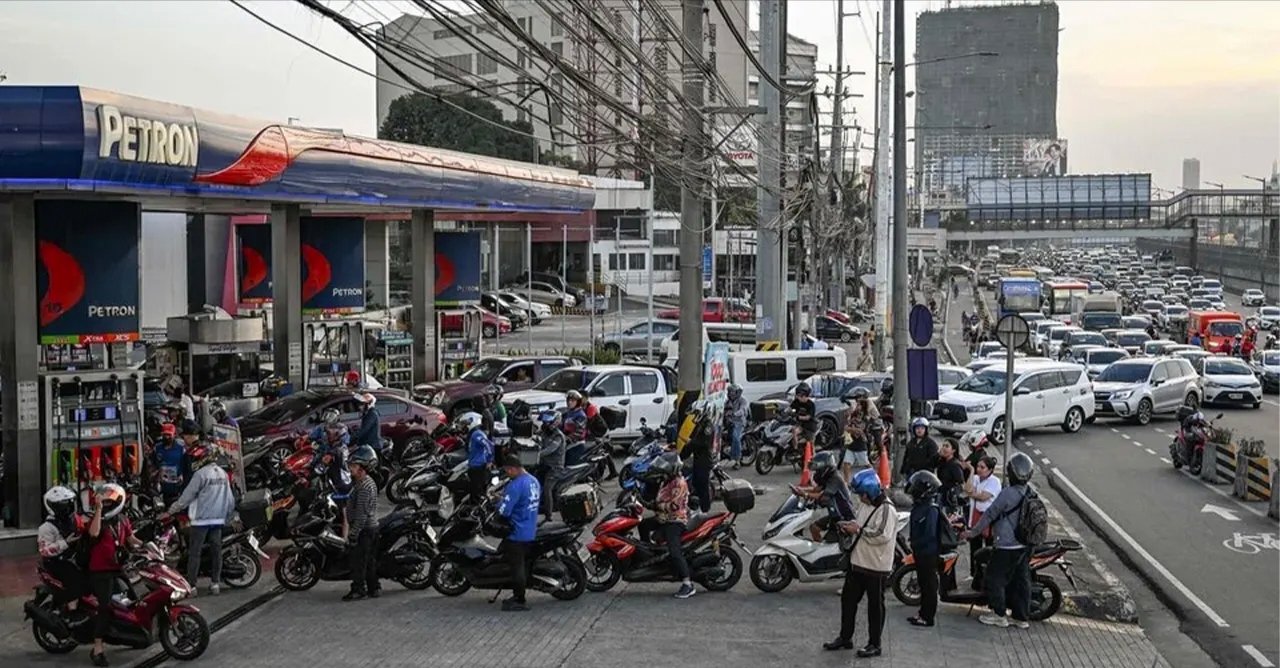
The ongoing fuel crisis in the Philippines has taken a serious turn, forcing hundreds of petrol stations across the country to suspend operations. According to official data, at least 365 fuel stations are currently closed.
This information was reported by Al Jazeera on Monday (March 30).
According to the Philippine National Police, the primary cause of the crisis is the disruption in global fuel supply. In particular, the ongoing tensions involving the United States, Israel, and Iran have significantly affected the global oil supply chain.
The report states that fuel prices in the country have more than doubled since February 28. As a result, the cost of living has increased for ordinary people, and the transportation sector has been heavily impacted.
Meanwhile, rising tensions in the Middle East have pushed global oil prices higher. On Monday, Brent crude rose to $116.10 per barrel, marking a 3.14% increase. Similarly, WTI crude increased by 2.66% to $102.30 per barrel, according to the BBC.
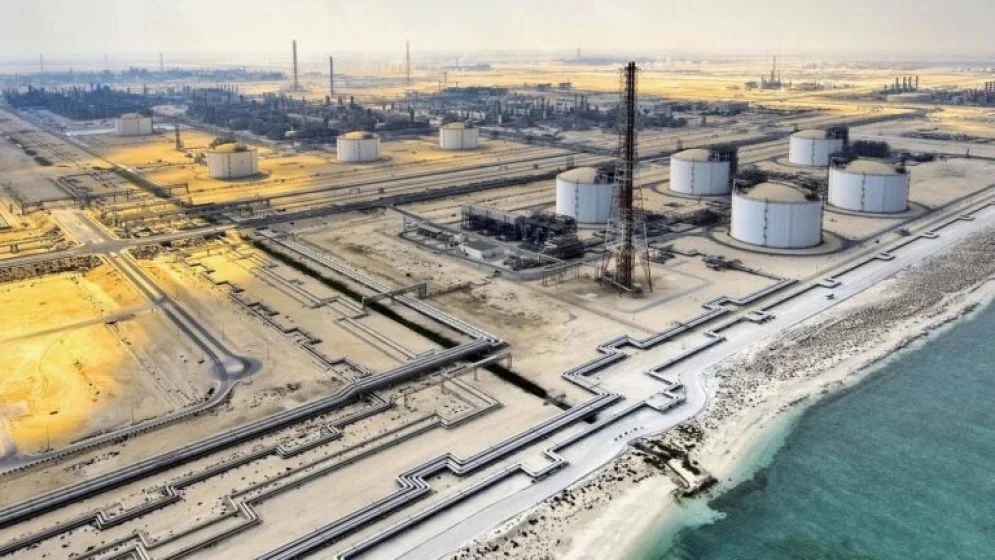
There are growing concerns that the Strait of Hormuz could become inoperative, posing a major risk to global energy supply. Nearly 20% of the world’s oil passes through this route. At the same time, attacks on oil and gas facilities have driven up gas prices, affecting consumers worldwide. In the United States, the average price of gasoline has reached $3.98 per gallon.
The situation has become more complex due to attacks by Iran-backed Houthi rebels in Yemen and retaliatory threats, further increasing instability in the energy market.
Greg Newman, CEO of Onyx Capital Group, said that the full impact of the current situation is not yet clear. According to him, global energy supply operates in cycles, and it may take several weeks to fully understand its effects in Europe.
He also noted that Brent crude prices are already beginning to reflect the real situation and could soon rise to $120 per barrel or even higher.



Like our facebook page
Subscribe our YouTube channel