


 /
/ 
 Print
Print
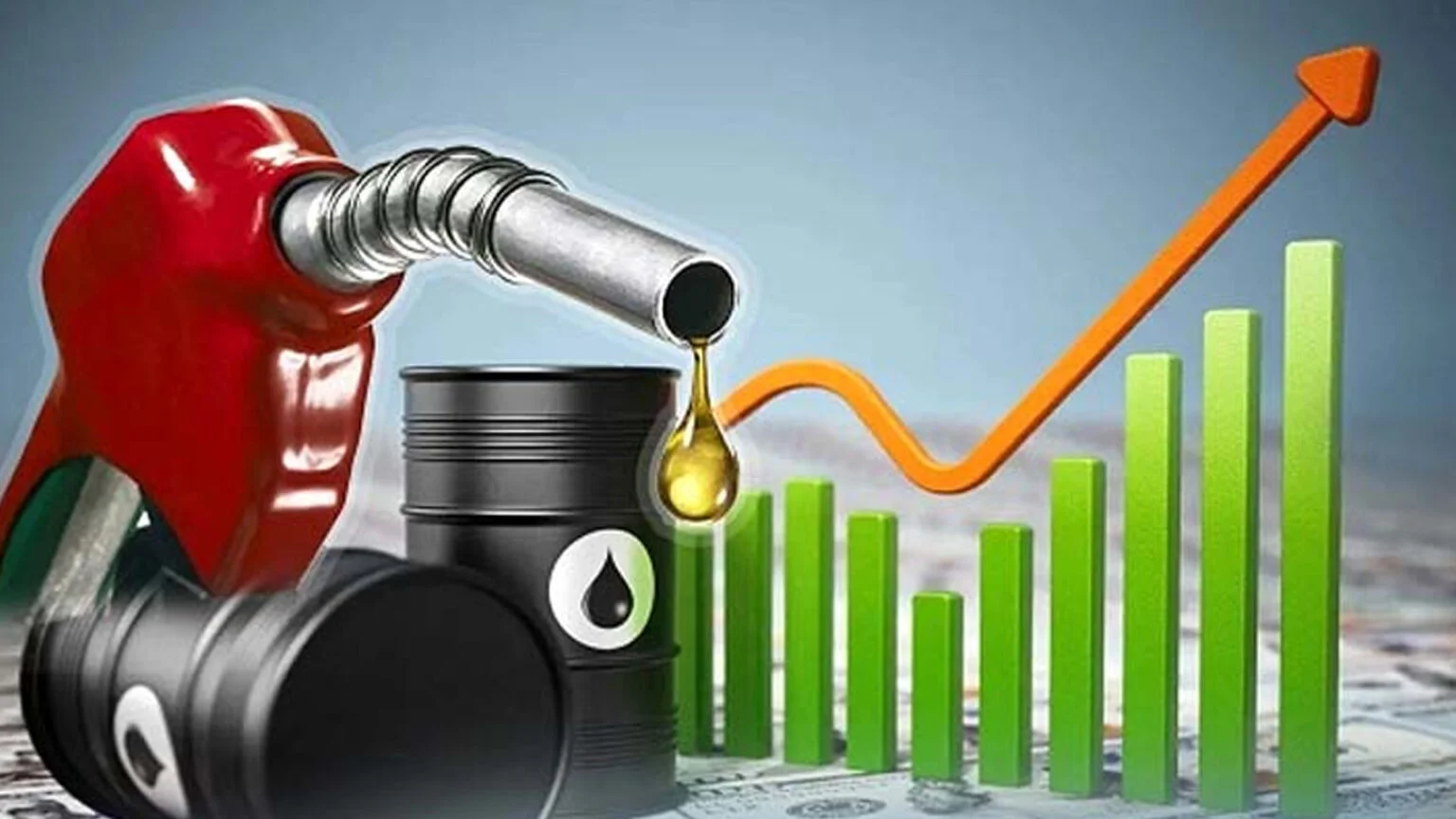
Gasoline prices in the United States have risen sharply in recent weeks, driven largely by escalating tensions surrounding the Strait of Hormuz and disruptions in global oil supplies.
According to data released by the American Automobile Association (AAA) on May 6, the average price of regular gasoline in the U.S. climbed by 31 cents per gallon over the past week, reaching $4.483 per gallon.
Reports cited by Yahoo News, based on information from the Associated Press, said the primary reason behind the spike in fuel prices is the ongoing disruption in the Strait of Hormuz — a narrow waterway through which roughly one-fifth of the world’s crude oil is transported.
Due to the conflict in the region, oil tankers have reportedly become stranded near the strait, while Iran has effectively restricted passage through the route. As a result, crude oil prices have been steadily rising over the past two months, directly impacting gasoline production costs.
Earlier in April, hopes of easing tensions had led to two consecutive weeks of declining fuel prices in the United States.
Rob Smith, Global Fuel Retail Director at S&P Global Energy, said an initial ceasefire announcement had created optimism that the conflict might be nearing an end.
“Crude oil prices started falling, and retailers subsequently lowered gasoline prices in the retail market,” Smith said.
However, worsening hostility between the United States and Iran over the Strait of Hormuz has once again disrupted oil supplies, reversing the downward trend in fuel prices.
Smith warned that a fundamental imbalance between global fuel supply and demand could push prices even higher.
“No matter what governments or market analysts say, as long as the Strait of Hormuz remains blocked, there will be constant upward pressure on oil prices every single day,” he added.
How U.S. Gasoline Prices Are Determined
Retail gasoline prices in the United States are generally set by gas station owners, though several factors influence pricing.
The largest component of gasoline prices is the cost of crude oil. According to the U.S. Energy Information Administration (EIA), crude oil accounted for about 51 percent of the price of a gallon of gasoline in 2025.
Impact of War on the Energy Market
Fuel prices in the U.S. have risen rapidly since the outbreak of conflict involving Iran. A similar spike occurred in 2022 following the start of the Russia-Ukraine war, when gasoline prices briefly approached $5 per gallon.
Typically, increases in global crude oil prices directly raise gasoline prices. Any disruption in crude oil supply tends to drive up the costs of both crude oil and refined fuels.
The International Energy Agency (IEA) warned that Iran’s effective closure of the Strait of Hormuz during the conflict has created one of the largest supply crises in the history of the oil market. At one point in early April, crude oil prices reportedly surged to $112 per barrel.
Following indications that the United States and Iran were nearing a preliminary agreement to reduce tensions, oil prices in the global market dropped below $100 per barrel last Wednesday. Analysts say continued declines in crude oil prices could eventually lower retail gasoline prices as well.
Why Prices Rose Again
Another major factor behind the renewed increase in fuel prices was the U.S. blockade of Iranian seaports in April aimed at restricting Iran’s oil exports.
Jim Krane, an energy research fellow at Rice University’s Baker Institute, said Iran had been supplying unusually large amounts of oil to global markets, helping stabilize prices.
“But the Trump administration decided to halt Iranian oil exports to pressure Tehran. That move affected not only Iran but also the global market, contributing significantly to rising oil prices,” Krane explained.
Analysts say reports of attacks on ships in the Persian Gulf or stalled diplomatic negotiations continue to create volatility among refiners and energy traders.
In March alone, gasoline prices jumped 48 cents within a single week. According to AAA, the largest weekly increase on record occurred in March 2022, when prices surged by 60 cents after Russia invaded Ukraine.
No Easy Solution
Experts say it remains unclear how high fuel prices may climb.
AAA noted that current gasoline prices are already higher than they were in early May 2022. Analysts warn that the longer oil flows remain disrupted through the Strait of Hormuz, the longer it will take for prices to stabilize.
Even if a permanent ceasefire is reached and both sides agree to reopen the waterway fully, experts believe it could still take months for markets to return to pre-conflict conditions.
Shipping companies and insurers are also expected to continue imposing high “risk premiums” for transporting goods through the region due to security concerns.
Why U.S. Domestic Production Cannot Fully Solve the Crisis
Although the United States exports more oil than it imports, global oil prices still heavily influence the American market because oil is traded internationally.
In addition, according to the American Fuel & Petrochemical Manufacturers (AFPM), nearly 70 percent of U.S. refineries are designed to process “heavy sour” crude oil with higher sulfur content.
Most oil produced domestically through the U.S. shale industry, however, is “light sweet” crude oil with lower sulfur content. As a result, only about 60 percent of the oil refined in the United States comes from domestic sources.
AFPM says converting refineries to process lighter crude oil would require billions of dollars in investment and temporary refinery shutdowns, which could push fuel prices even higher in the short term.





Like our facebook page
Subscribe our YouTube channel