


 /
/ 
 Print
Print
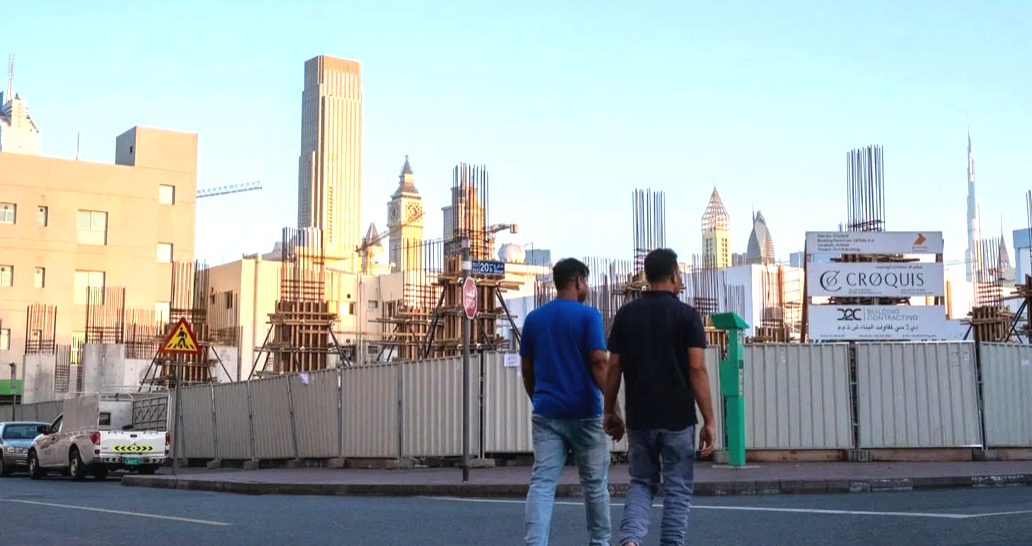
The recent conflict involving Iran has begun to take a toll on Dubai’s labor market, raising concerns among thousands of expatriate workers who have long viewed the emirate as one of the Middle East’s top employment destinations.
Among them is Filipino domestic worker Joy Vivanda, who has spent months searching for a new job after her Russian employers abruptly left Dubai in March. Despite four months of searching, she remains unemployed.
For decades, Dubai has attracted millions of workers from Asia, Africa, and the Middle East, with expatriates making up nearly 90 percent of the city’s population. However, the recent conflict, particularly Iranian missile and drone attacks that heightened regional security concerns, has affected sectors such as tourism and aviation, two key pillars of Dubai’s economy.
As business activity slows, many wealthy foreign residents have left the city, while lower and middle-income migrant workers are facing layoffs, hiring freezes, salary reductions, and declining incomes.
Although the UAE government has released limited data on the economic impact, Minister of Economy and Tourism Abdullah bin Touq Al Marri has described the disruption as temporary, expressing confidence in Dubai’s ability to recover as it has from previous crises.
Many workers, however, say the impact is already being felt. Indian accountant Mujib Rahman said he and his colleagues were laid off after their company experienced a cash flow shortage. With many businesses freezing recruitment, he fears finding another job will be increasingly difficult.
Despite a ceasefire agreement between the United States and Iran, uncertainty remains. A survey by ManpowerGroup found that one in four employers plans to reduce its workforce during the third quarter of 2026. In many companies, employees who remain on the payroll have also seen their salaries reduced.
Egyptian sales worker Zekra Elsa said declining tourist numbers have sharply reduced her daily sales, leaving her dependent solely on commission-based income.
Khalid Jassim Mohamed Bin Kalban, Chief Executive Officer of Dubai Investments, believes the downturn will be temporary, citing Dubai’s history of recovering from economic shocks. Analysts note, however, that any prolonged slowdown could have broader consequences, as Dubai is one of the world’s largest sources of remittance income for migrant workers’ families.
Many expatriates, including Indian housekeeper Venkat and Filipino worker Joy Vivanda, say they are no longer able to send enough money home, putting their children’s education and their families’ financial security at risk.
Cameroonian welder Yannick Obio expressed similar concerns. Although he still has a job, he fears layoffs as new work orders have dried up.
“I go to work every day, but there is simply no work to do,” he said.
Source: The New York Times.





Like our facebook page
Subscribe our YouTube channel