


 /
/ 
 Print
Print
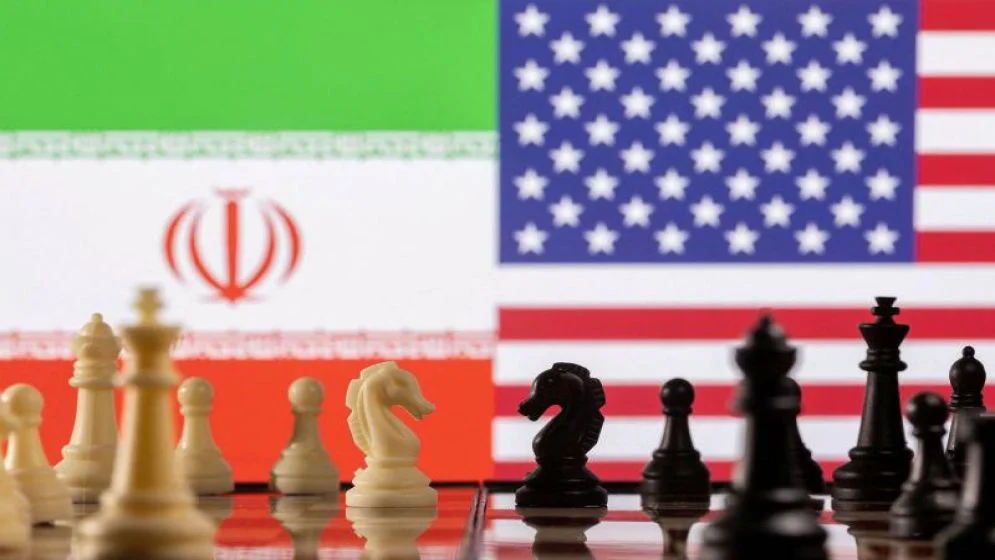
Oil prices rose on Tuesday as negotiations between the United States and Iran over a peace agreement and the reopening of the Strait of Hormuz showed limited progress, raising concerns about global energy supplies.
Brent crude was trading near $88 a barrel, while U.S. West Texas Intermediate (WTI) crude was around $82 a barrel. Both benchmarks remained near their highest levels in about a week as markets closely watched developments in the U.S.-Iran negotiations.
Oil prices had already jumped by around 5% on Monday amid growing uncertainty over whether Washington and Tehran could reach an agreement. The situation became more uncertain after U.S. President Donald Trump raised additional demands in response to Iran’s proposed terms for a peace agreement.
Trump has also demanded compensation from Iran for people killed in the war, attacks and protests, adding another obstacle to the negotiations.
The Strait of Hormuz is one of the world’s most important energy shipping routes. Around one-fifth of global oil flows through the waterway, making its reopening a key issue for international energy markets. Iran has said the strait will remain closed unless the United States meets a number of conditions, including ending the war and changing its regional policies.
Analysts say the oil market is likely to remain highly sensitive to developments in the negotiations. Tony Sycamore, a market analyst, described the situation as a waiting game over which side will make the first concession. He said oil prices could remain within a broad range of roughly $75 to $95 a barrel if the deadlock continues.
Higher oil prices are also raising concerns about inflation in the United States. A sustained increase in fuel costs could push up prices for goods and services, potentially complicating the Federal Reserve’s decisions on interest rates.
The uncertainty has also affected Asian stock markets, where investors are closely monitoring the potential economic impact of prolonged tensions in the Middle East. Concerns over inflation, energy supplies and global economic growth have contributed to increased market volatility.
Despite the tensions, diplomatic efforts are continuing. Oman and Iran have been holding discussions on shipping through the Strait of Hormuz, while other countries, including Pakistan and Qatar, have been involved in efforts to help end the conflict. However, officials and analysts caution that significant progress toward a final agreement has yet to be secured.
Sources: Reuters, Shafaq News Agency





Like our facebook page
Subscribe our YouTube channel