


 /
/ 
 Print
Print
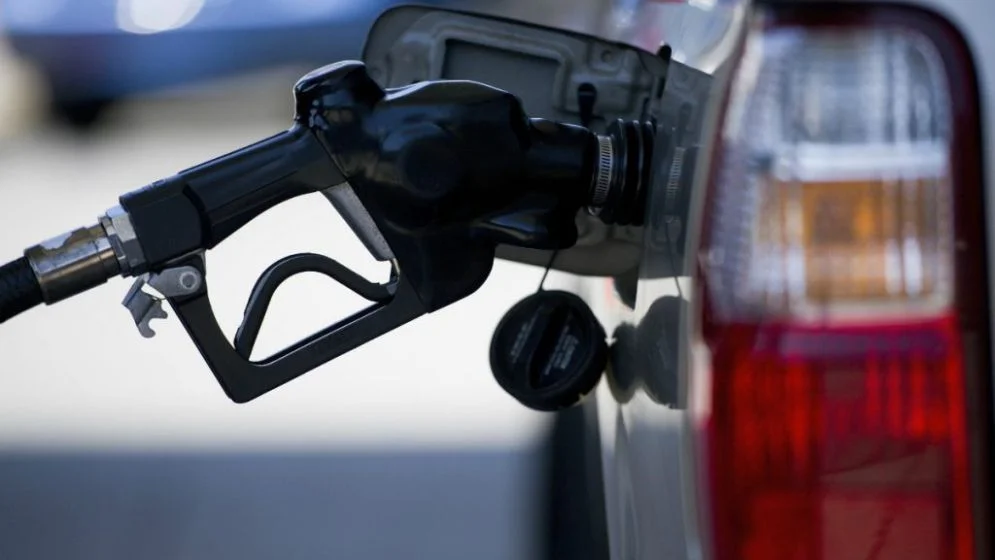
Canada’s annual inflation rate rose to 3% in July, up from 2.8% in June, as higher gasoline prices driven by the Middle East conflict pushed up overall consumer prices.
According to Statistics Canada, gasoline prices increased 25.7% from a year earlier. The conflict, including disruptions around the Strait of Hormuz and Red Sea shipping routes, contributed to the rise in fuel costs.
Higher prices in tourism-related sectors, including air travel, also contributed to inflation, with analysts citing increased spending linked to the FIFA World Cup, which Canada co-hosted.
The latest inflation figure is near the upper end of the Bank of Canada’s preferred range. However, economists do not expect an immediate interest rate hike, citing growing risks to the Canadian economy from trade tensions with the United States.
Prime Minister Mark Carney said negotiations with Washington over new tariffs were at an “intense and delicate” stage. US President Donald Trump has threatened to impose new 50% tariffs on a range of Canadian goods from August 19.
Canadian negotiators are seeking an agreement to prevent the new tariffs and ease existing levies affecting industries including automobiles, steel, lumber and aluminum.
TD Bank senior economist Leslie Preston said the tariff uncertainty remained a major downside risk to Canada’s economy and was unlikely to prompt the central bank to raise interest rates immediately.





Like our facebook page
Subscribe our YouTube channel