


 /
/ 
 Print
Print
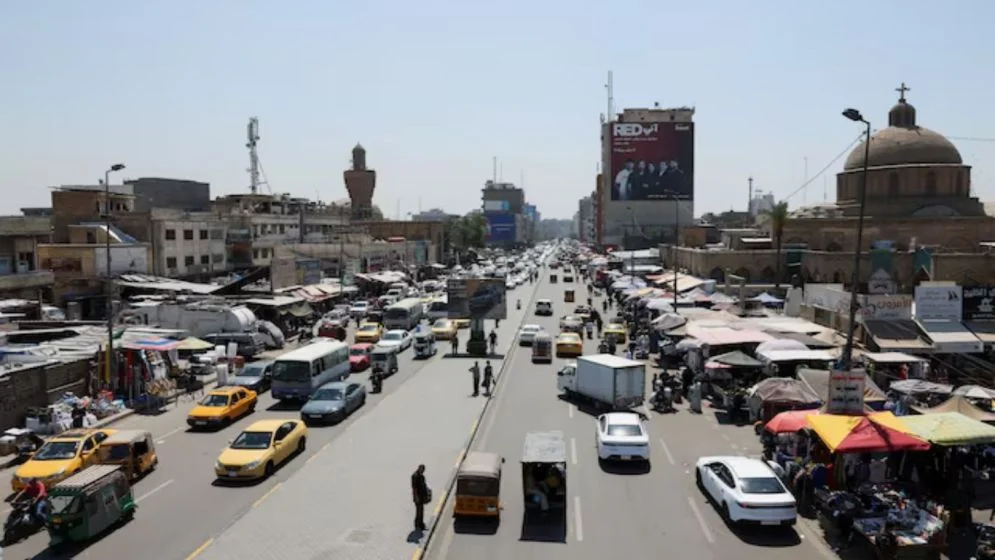
Iraq could provide an example of how the United States might pressure countries that continue trading with Iran by restricting their access to the dollar-based global financial system.
Washington has already sanctioned several Iraqi banks accused of conducting business with Tehran, although it has so far avoided measures that could severely damage the economy of its strategic ally.
US President Donald Trump has warned that countries providing Iran with an economic lifeline could face serious consequences. The warning could put several of Iran’s major trading partners—including China, the United Arab Emirates, Turkey, India, Pakistan and Oman—under greater US scrutiny.
US Treasury Secretary Scott Bessent on Monday announced what he called an “economic onslaught” against Iran, saying countries trading with Tehran would also be targeted, without identifying them.
US Leverage Over Iraq
Since the 2003 US invasion of Iraq, Washington has maintained significant influence over the country’s oil revenues and dollar flows, largely through the Federal Reserve Bank of New York.
Iraq, which maintains relations with both the United States and Iran, has more than $100 billion in reserves held in the US and depends heavily on continued access to the US-led financial system.
Reuters reported in late 2024 that a fuel oil smuggling network in Iraq generated at least $1 billion a year for Iran and its allied groups. Similar networks in other neighbouring countries could also come under increased scrutiny.
Although the United States has greater leverage over Iraq than it does over most other major Iranian trading partners, the global dominance of the dollar gives Washington considerable influence over international financial transactions.
Pressure on Iraqi Banks
The United States has already used financial restrictions to pressure Baghdad.
In April, Reuters reported that Washington halted a $500 million cash shipment to Iraq and suspended parts of security cooperation in an effort to pressure Baghdad over Iran-backed militias. In January, the US reportedly warned senior Iraqi politicians that they could face sanctions, including restrictions affecting oil revenues, if those groups became part of the next government.
Successive US administrations have also imposed sanctions on Iraqi banks as part of efforts to restrict the flow of dollars to Iran, although some of Iraq’s largest banks have avoided such measures.
US pressure has increased the cost and risks of financial transactions involving Iran and pushed Iraqi institutions to strengthen compliance with American sanctions, according to Neil Quilliam, an associate fellow at Chatham House.
However, the pressure has not severed Iraq’s broader economic relationship with Iran.
“Countries such as China or Turkey have larger economies and more room to absorb pressure. Iraq has fewer alternatives and significantly less financial resilience,” Quilliam said.
He added that Iraq’s vulnerability stems less from the size of its trade with Iran than from its dependence on continued access to the US-led financial system.
Strong Economic Ties With Iran
Iraq’s trade with Iran exceeded $10 billion in 2025, according to official figures. Iranian food products and consumer goods account for a large share of that trade.
Trade declined in 2026 after the war in Iran began, as security concerns, disruptions at border crossings and higher transportation costs affected commerce.
Iran has long regarded Iraq as an important economic lifeline and maintains significant political, military and economic influence there through Shiite militias and political groups it supports.
Energy remains a crucial part of the relationship. Iraqi officials say Baghdad pays Iran between $4 billion and $5 billion annually for natural gas used to generate electricity. Iraqi officials have warned that additional US restrictions could complicate those payments.
The Iraqi case illustrates the difficult balance facing countries that maintain important economic ties with Iran while relying on access to the US-dominated global financial system. For Washington, financial pressure on Iraq could offer a potential template for dealing with other countries that continue to trade with Tehran.



Like our facebook page
Subscribe our YouTube channel