


 /
/ 
 Print
Print
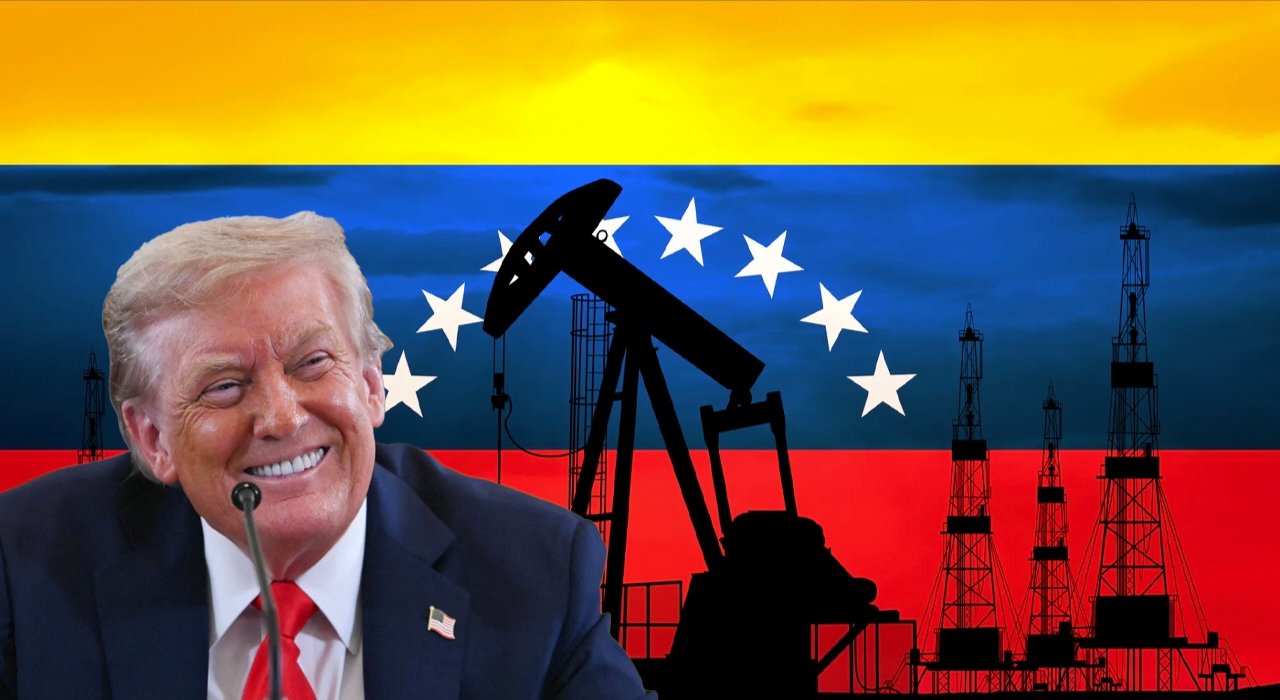
The United States has taken an unprecedented step to gain control over a major share of Venezuela’s vast oil reserves, US President Donald Trump said. He claimed that the United States had secured majority control over more than 65 billion barrels of proven oil reserves through partnerships with private companies. Reuters reported the development.
In a post on social media on Friday (August 28), Trump said the deal was reached following talks with Venezuela’s interim President Delcy Rodriguez, led by US Secretary of State Marco Rubio and Defense Secretary Pete Hegseth. Trump also claimed that the agreement would require no taxpayer money from the United States.
Trump did not disclose the full structure of the agreement. He also provided no clear details on which oil fields or companies would be covered or how the United States would exercise majority control over the assets.
Venezuela has welcomed the agreement. Interim President Delcy Rodriguez said the development of 17 strategic oil fields under the deal could significantly increase the country’s oil production. She also claimed that the agreement could eventually generate nearly $209 billion in tax revenue for the Venezuelan government.
Rodriguez said the investments would not only help restore and modernize Venezuela’s oil industry but also contribute to economic growth, energy security and greater stability in international energy markets.
US Secretary of State Marco Rubio described the agreement as mutually beneficial for both countries. He said it would give the United States access to a more stable supply of relatively low-cost crude oil, potentially helping reduce fuel prices in the US market.
Rubio also said the deal could bring nearly $100 billion in private investment to Venezuela and create thousands of high-paying jobs. In his view, the investment could help put the Venezuelan economy on a path toward recovery.
Venezuela has the world’s largest proven oil reserves. Yet years of underinvestment, mismanagement, political instability and US sanctions have left its production far below its potential. The country currently produces around 1.25 million barrels of crude oil per day.
Washington hopes that reviving Venezuela’s oil industry will increase supplies of crude for US refineries. Venezuela’s heavy crude is particularly important for some US refineries that are designed to process heavier grades of oil.
However, the legal and financial foundation of the proposed agreement remains unclear. Energy expert David Goldwyn has questioned whether the Venezuelan Constitution and the country’s new hydrocarbon law provide a legal basis for the US government to lease and operate oil fields. He also noted that there is little precedent for the US government directly leasing oil fields in another country.
Venezuela also faces major obstacles to attracting large-scale investment, including weak electricity infrastructure, limited export capacity and tight government control over the oil sector. Analysts say the success of the agreement will depend heavily on whether these structural problems can be addressed.
Developing the infrastructure needed to extract, transport and refine Venezuela’s heavy crude could take several years, experts say. As a result, it remains uncertain whether the agreement will lead to lower fuel prices in the United States in the short term.
Venezuela nationalized its oil industry in the 1970s. Under former President Hugo Chavez, foreign oil companies were later required to operate through state-controlled joint ventures. The government eventually seized the assets of several foreign companies, including ExxonMobil and ConocoPhillips.
Oil production declined even more sharply during the rule of Nicolas Maduro amid a prolonged economic crisis and US sanctions. Years of underinvestment have also left much of the country’s oil infrastructure in poor condition.
The Trump administration is now seeking to revive Venezuela’s oil industry, expand US influence over its enormous petroleum resources and secure additional supplies for the American energy market. But until the full terms and legal framework of the agreement are made public, its actual scope and long-term impact remain uncertain.




Like our facebook page
Subscribe our YouTube channel