


 /
/ 
 Print
Print
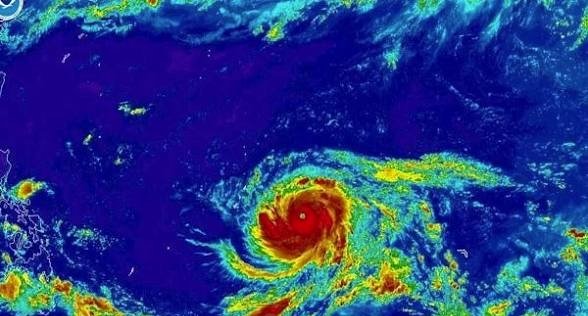
Super Typhoon Bavi, packing winds comparable to a Category 5 hurricane, has struck the U.S. Pacific territories of the Northern Mariana Islands and Guam, causing widespread damage, particularly on the island of Rota. Authorities say the full extent of the destruction remains unclear as communication networks have been disrupted.
According to the U.S. National Weather Service (NWS), the eye of the storm passed directly over Rota, bringing sustained winds of up to 290 kilometers (180 miles) per hour before moving westward.
Ahead of the storm, about 1,500 residents of Rota were ordered to remain in safe rooms or designated shelters. Local officials reported extensive damage to homes, public infrastructure and vegetation, while the collapse of a mobile phone tower left parts of the island without communications.
The NWS warned that power outages could last for weeks or even months in some areas of Rota due to severe damage to the island’s electricity network and infrastructure.
In Guam, forecasters predicted between 20 and 30 centimeters (8 to 12 inches) of rainfall, raising the risk of flash flooding. Winds of 80 to 130 kilometers per hour, with gusts reaching 160 kilometers per hour, were expected to continue through Monday afternoon.
Hundreds of people sought shelter in hotels across Guam as businesses closed and residents boarded up windows in preparation for the storm.
Residents expressed growing concerns over electricity and fuel supplies. Many communities had only recently regained power following a destructive typhoon in April, only to face renewed outages as Bavi swept through the region.
Meteorologists warned that unusually warm sea surface temperatures, combined with El Niño conditions, could fuel more intense tropical cyclones across the Pacific this season. The World Meteorological Organization has also cautioned that El Niño may increase both the frequency and intensity of tropical storms in the region.




Like our facebook page
Subscribe our YouTube channel